
Do Standing Desks Help Productivity? A Complete Workstation Guide for 2026
Learn how do standing desks help productivity, combat physical fatigue, and sharpen daily focus in this November 2026 workstation guide.
 By Kaitlyn Wells
Updated October 9, 2026

Long hours spent sitting in an office chair frequently lead to mid-day fatigue, tight hamstrings, and persistent stiffness across the lumbar spine. Many professionals wonder whether do standing desks help productivity or if switching between postures is simply an ergonomic trend. Incorporating regular standing intervals alters physical circulation and helps prevent the mental sluggishness that often accompanies prolonged static sitting. When considering how to configure a balanced workspace, understanding how standing desks work provides a practical foundation for structuring daily movement routines.
Alternating between sitting and standing encourages active engagement, keeps energy levels stable, and relieves constant pressure on spinal discs. Finding the right physical tools, such as stable motorized frames, manual mobile carts, and cushioned anti-fatigue mats, allows workers to maintain workflow momentum without bodily strain. Selecting reliable workstation gear involves matching adjustment travel ranges, weight capacities, and ease of transitions to specific daily tasks. A thoughtful workspace setup bridges the gap between physical comfort and uninterrupted mental focus throughout long shifts.
| Award | Product | HOF Score About HOF ScoreThe HOF Score is our own rating from 0 to 10, based on performance, design and build, ease of use, and value. It reflects independent research and is never influenced by manufacturers, retailers, or affiliate commissions. Learn more › | |
|---|---|---|---|
| Best Overall |
 FEZIBO Standing Desk 48 × 24 Inch Electric Height |
9.2/10 | Buy |
| Best Budget |
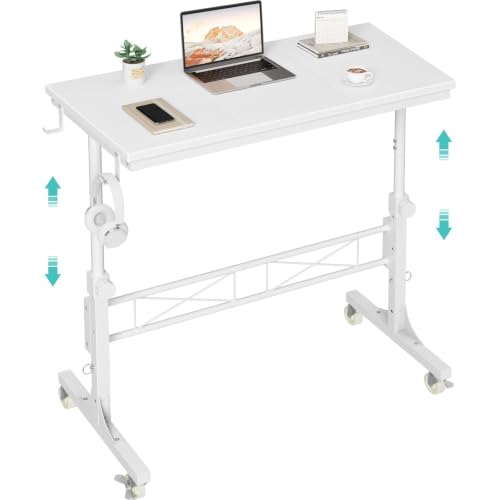 WINAZ Rolling Standing Desk with Wheels |
8.9/10 | Buy |
| Best Value |
 ErGear 48 X 24 Inch Height Adjustable Electric |
8.9/10 | Buy |
 VASAGLE Standing Desk, 48x24 Inch Electric |
8.4/10 | Buy | |
| Best Premium |
 The Standing Desk Mat - Topo by Ergodriven |
8.3/10 | Buy |
 DUMOS Rolling Standing Desk, Walking Pad Desk |
8.1/10 | Buy | |
 VIVO Black 32 in Standing Desk Converter |
8.1/10 | Buy |
Evaluating How Sit-Stand Workstations Impact Work Performance and Physical Energy
Alternating between sitting and standing throughout the workday directly influences energy levels, mental alertness, and physical comfort. Prolonged seated postures compress the spine, restrict lower-body circulation, and frequently trigger mid-afternoon cognitive sluggishness. Incorporating physical movement into standard office tasks helps prevent bodily discomfort from distracting knowledge workers from critical responsibilities. Understanding how dynamic workstations alter daily workflow requires examining the physiological, ergonomic, and practical aspects of active office environments.
The Physiological Connection Between Posture Shifts and Daily Focus
Static sitting restricts natural blood circulation throughout the legs and trunk, leading to reduced oxygenation and sluggish metabolic activity. When an individual stands, large muscle groups in the calves, quadriceps, and core engage to support the skeleton against gravity. This subtle muscular activation stimulates venous blood return, encouraging healthy circulation that directly benefits cerebral oxygenation. Workers frequently report feeling more awake and attentive during complex problem-solving sessions simply because their bodies remain active.
The physical act of standing up acts as a natural reset switch during intense working hours. Transitions disrupt cognitive stagnation by forcing slight shifts in perspective, visual distance, and posture. While intense concentration on demanding tasks may feel comfortable while seated, alternating postures prevents the physical lethargy that slowly erodes focus over several hours. Balancing both postures ensures that neither physical tiredness nor seated stiffness dominates the workday.
Combating Sedentary Fatigue and the Mid-Day Slump
The familiar post-lunch energy dip often stems from a combination of metabolic digestion and continuous muscular inactivity. Sitting completely still for four or five consecutive hours signals the nervous system to settle into a low-energy state. Standing for short intervals during these sluggish windows reactivates postural reflexes and elevates heart rate by a modest, healthy margin. Many professionals find that conducting routine administrative duties while standing helps them power through the early afternoon without excessive caffeine reliance.
Movement also encourages deep breathing patterns, which expand lung capacity compared to hunched, seated postures. Shallow breathing in a slumped chair reduces systemic oxygen exchange, contributing to mental fatigue and headaches. By extending the spine into an upright orientation, the diaphragm moves freely and supports optimal respiratory function. Improved breathing directly aids cognitive endurance during lengthy writing, programming, or analytical projects.
Biomechanical Relief for the Lumbar Spine and Upper Back
Seated postures place substantial hydrostatic pressure on the lumbar intervertebral discs, especially when slouching forward toward a monitor. Over time, this compressive load strains the posterior spinal ligaments and tightens the hip flexors, generating persistent lower back stiffness. Standing redistributes bodily weight across the pelvis, knees, and feet, allowing the lumbar curve to assume its natural lordotic alignment. Removing static compression relieves nerve impingement and softens the nagging aches that break concentration.
Upper back and neck tension also diminish when workstations support standing alignment. In a seated position, shoulders often roll inward while the neck cranes forward toward the screen in a posture commonly known as forward head carriage. Standing encourages an open chest, retracted scapulae, and a neutral cervical spine. When muscular soreness fades into the background, mental energy remains focused on completing analytical work rather than managing physical discomfort.
Structuring Sustainable Sit-Stand Intervals Across the Workday
Adopting a standing desk does not mean standing for eight hours continuously, which introduces foot swelling and lower-limb fatigue. Ergonomic specialists often suggest following dynamic intervals such as the twenty-eight-two pattern, which recommends sitting for twenty minutes, standing for eight minutes, and walking or stretching for two minutes. This balanced rhythm keeps joints lubricated and muscles active without straining plantar tissues. Structured rotation preserves physical freshness throughout morning and afternoon project blocks.
Certain job tasks align naturally with specific physical positions during the workday. Intensive typing, detailed spreadsheet calculations, and precision mouse work often benefit from seated stability where forearms rest comfortably on armrests. Conversely, active telephone calls, creative brainstorming, video conferencing, and review tasks work exceptionally well while standing. Matching daily tasks to physical postures prevents awkward biomechanical strain and sustains cognitive flow.
Ergonomic Alignment and the Ninety-Degree Elbow Principle
Maximizing the benefits of a sit-stand desk requires dialling in precise surface heights for both seated and standing phases. The baseline ergonomic standard dictates that elbows should rest at approximately a ninety-degree angle when hands rest on the keyboard. Shoulders must remain completely relaxed rather than elevated toward the ears or pulled downward by an excessively low surface. In exploring electric height adjustable desks, looking for broad travel ranges guarantees that users of varying heights achieve this neutral forearm angle.
Monitor positioning requires equal precision to avoid trading lumbar strain for cervical spine hyperextension. The top third of the computer display should align directly with resting eye level, situated roughly twenty to twenty-eight inches away from the face. When transitioning to standing, the screen height must maintain this relationship so the neck does not tilt upward or bend downward. Keeping neutral cervical angles prevents tension headaches and eye strain that undermine productive output.
Motorized Keypads, Memory Presets, and Adjustment Friction
The convenience of switching heights determines whether an individual actually builds a sustainable sit-stand routine. Manual crank mechanisms and basic friction-lock systems often introduce enough physical effort that users give up and remain seated indefinitely. Modern motorized frames solve this problem by incorporating digital keypads with programmable memory presets. Desks such as the FEZIBO electric frame and the ErGear height adjustable model allow workers to store precise heights and transition at the push of a single button.
Quiet operational sound levels also protect mental flow during calls and collaborative sessions. High-pitched or noisy motors disrupt shared offices and create hesitation when adjusting height during virtual meetings. Desks like the VASAGLE electric workstation operate below fifty decibels, ensuring smooth elevation without noisy distraction. Built-in sedentary reminder timers on advanced digital keypads can also deliver subtle cues to stand, keeping active habits consistent without requiring external phone alarms.
Mobile Workstations and Walking Pad Integration
Not every workspace requires a large stationary footprint to achieve active working benefits. Compact rolling carts, such as the WINAZ rolling standing desk or the DUMOS split-top computer cart, provide functional flexibility for apartments, classrooms, and secondary study nooks. These mobile tables feature locking caster wheels, allowing professionals to roll their setup across hard floors or reposition work surfaces beside windows. Their compact bases easily slide over walking pads or compact treadmills to add light aerobic activity to sedentary workdays.
A walking pad setup elevates daily energy expenditure while keeping the mind engaged in routine tasks. Typing at high speeds while walking requires practice, but attending webinars, reading reports, and answering emails blends seamlessly with slow walking speeds. Mobile desks with tiltable desktop panels, like the DUMOS model, allow users to angle secondary surfaces for writing or tablet use while keeping laptops level. Integrating intentional movement directly into the workspace eliminates the excuse of having no time for physical activity.
Active Stances and Anti-Fatigue Mat Dynamics
Standing on hard hardwood or concrete flooring without supportive cushioning rapidly strains the heel pads and arch ligaments. This physical discomfort causes people to abandon standing routines within twenty minutes, shifting weight awkwardly onto one hip. Incorporating a specialized mat, such as the Topo by Ergodriven, introduces calculated terrain that encourages dynamic foot movement. The varied peaks and contoured surfaces prompt subconscious calf activation and weight shifting, preventing blood pooling in the lower extremities.
Footwear choices also play a critical role in determining standing stamina and posture stability. Standing barefoot or wearing unsupportive flat shoes on hard floors transmits ground reaction forces directly into the knees and lower spine. Supportive shoes with cushioned midsoles or barefoot standing on high-density polyurethane foam mats soften joint impact. When feet feel comfortable, the mind remains free to concentrate on demanding mental objectives.
Desktop Converters as an Adaptable Alternative
Replacing an entire furniture setup is not always feasible for those using heavy executive desks or cubicle configurations. Desktop risers, such as the VIVO thirty-two inch standing desk converter, provide on-demand height adjustment by sitting directly on an existing tabletop. These units feature gas-spring lift assistance that elevates keyboards and dual monitors smoothly in a vertical path. They offer an accessible entry point to sit-stand ergonomics without requiring furniture teardowns or major office reorganizations.
When reviewing furniture upgrades, evaluating quick desk assembly considerations helps determine whether a desktop riser or a full motorized frame best matches mechanical comfort levels. Risers typically arrive nearly fully assembled, requiring only the attachment of a keyboard tray before use. Motorized full-size frames demand more frame assembly and cable routing, yet they offer continuous flat surface space and higher overall stability. Both pathways achieve the central goal of breaking up prolonged static sitting throughout the working day.
Practical Workstation Habits for Long-Term Ergonomic Success
Building a productive sit-stand habit requires gradual progression rather than sudden, extreme changes. Starting with two or three fifteen-minute standing sessions each day allows stabilizing muscles, tendons, and feet to adapt without excessive soreness. Over several weeks, individuals can increase standing time to match their natural rhythm and project schedules. Listening to physical cues prevents muscle fatigue from becoming a secondary distraction that compromises work accuracy.
Organizing power leads, monitor cables, and peripheral cords ensures seamless transitions between seated and standing heights. Cords that are pulled tight or snagged beneath frame crossbars can pull equipment loose or trigger motor anti-collision stops mid-travel. Maintaining generous cable slack loops and securing wires in under-desk trays creates a tidy, uncluttered environment that fosters calm mental focus. A thoughtfully organized workspace supports continuous physical comfort, sustaining high cognitive output throughout every stage of the professional journey.
About the author
Kaitlyn Wells is an experienced product journalist covering home office equipment, productivity, and technology. With more than a decade of experience working from home in various capacities, she understands the importance of creating comfortable and functional workspaces. Her reporting on office chairs and workplace equipment combines product research with practical considerations, helping consumers understand how furniture features, comfort, and individual needs influence purchasing decisions.