
How Much Are Computer Chairs: Cost Breakdown and Buyer Guide for 2026
Evaluate how much are computer chairs across different budget tiers and discover key ergonomic features for your setup in November 2026.
 By Anthony Spadafora
Updated October 17, 2026

Setting up an efficient workstation begins with balancing physical spinal support against a realistic household budget. Many remote professionals find themselves wondering exactly how much are computer chairs when planning a home office upgrade or replacing an unsupportive dining chair. The overall investment varies widely based on structural materials, pneumatic cylinder specifications, and mechanical adjustability. Investing in dedicated ergonomic seating for remote work can help prevent muscle fatigue during long shifts while supporting your lower back.
Entry-level models often provide basic height adjustment and simple mesh backrests, whereas commercial-grade task chairs offer comprehensive multi-axis calibration. Understanding how different build components influence long-term durability helps shoppers avoid fragile options that develop structural wobbles or sagging cushions within months. Examining certified build standards like ANSI/BIFMA ratings and internal cushion foam resilience ensures that you get dependable seated support without overspending. Evaluating your daily sitting routine allows you to find the ideal balance between functional ergonomics and overall value.
| Award | Product | HOF Score About HOF ScoreThe HOF Score is our own rating from 0 to 10, based on performance, design and build, ease of use, and value. It reflects independent research and is never influenced by manufacturers, retailers, or affiliate commissions. Learn more › | |
|---|---|---|---|
| Best Overall |
 NEO CHAIR Small Office Chair with Wheels |
9.2/10 | Buy |
| Best Premium |
 Ergonomic Office Chair, Mesh Computer Desk Chairs |
9.2/10 | Buy |
| Best Budget |
 BestOffice Ergonomic Office Chair |
8.8/10 | Buy |
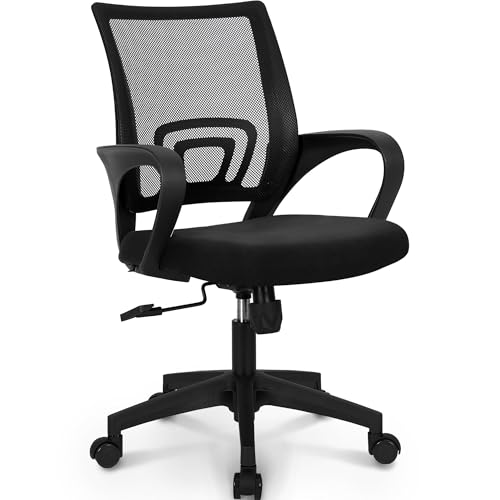 NEO CHAIR Office Computer Chair Ergonomic Mid-Back |
8.8/10 | Buy | |
 GTPLAYER Gaming Chair, Computer Chair |
8.8/10 | Buy | |
| Best Value |
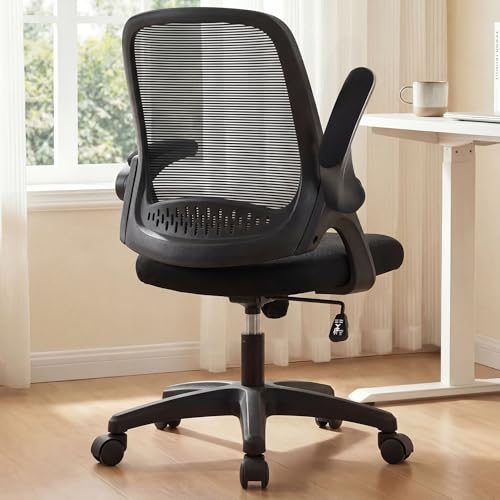 NEO CHAIR Office Desk Chair |
8.1/10 | Buy |
 NEO CHAIR Office Computer Ergonomic Mid-Back Mesh |
8.0/10 | Buy |
Understanding Computer Chair Pricing Tiers and Ergonomic Value
Determining the appropriate budget for a desk seat requires evaluating how materials, mechanical engineering, and posture features impact daily comfort. When buyers ask how much are computer chairs, the answer spans a broad spectrum ranging from highly affordable compact task stools to precision-engineered commercial workstations. Pinpointing the right price point depends on how many hours you remain seated each day and which mechanical adjustments your body requires. Selecting a well-built model protects your posture and prevents premature replacement expenses down the road.
The Fundamental Price Tiers of Modern Computer Chairs
The office seating market generally divides into three primary pricing categories based on build quality and mechanical complexity. The entry-level budget tier focuses on basic functionality, offering essential height adjustment and modest mid-back support for casual computing or light study sessions. These models emphasize space efficiency and uncomplicated manufacturing, making them accessible for student desks or secondary workspaces. While they lack intricate adjustments, they provide a functional step up from hard dining chairs.
The mid-range category represents the sweet spot for many dedicated remote workers and telecommuters. Chairs in this tier introduce enhanced ergonomic features such as multi-directional armrests, dedicated lumbar support modules, and certified pneumatic lift systems. Manufacturers incorporate sturdier internal framing, higher-density seat foams, and breathable elastomeric mesh to endure standard eight-hour work shifts. Buyers in this range gain reliable structural integrity without paying commercial enterprise premiums.
At the top tier, high-end ergonomic and commercial executive chairs command substantial investments due to extensive engineering research and premium materials. These seats feature sophisticated synchro-tilt mechanisms, dynamic lumbar systems that automatically respond to body movement, and comprehensive multi-year warranties. They are built for intensive twelve-hour shift environments like call centers and corporate boardrooms where component failure is not acceptable. For users experiencing persistent postural fatigue, exploring chairs designed for extended sitting illustrates how high-tier engineering justifies greater upfront expenses.
Structural Components That Drive Manufacturing Costs
A chair’s base foundation and internal skeleton represent a significant portion of its total production cost. Inexpensive models frequently utilize molded nylon or composite plastic star bases that keep production expenses low while meeting standard weight capacities. Higher-tier models upgrade to heavy-duty tubular steel or die-cast aluminum bases that provide greater lateral stability and resistance to stress fractures. Metal foundations also reduce frame flexing when leaning back, delivering a more stable seating experience.
Pneumatic gas lift cylinders are another hidden component where manufacturing standards dictate retail price. Entry-level task chairs often incorporate Class 2 or basic Class 3 cylinders suitable for lighter loads and moderate daily cycling. In contrast, durable office chairs invest in Class 4 pneumatic cylinders certified by third-party testing organizations like SGS or verified to ANSI/BIFMA standards. These heavy-duty cylinders feature thicker chamber walls and resilient internal seals that resist uncommanded sinking over years of continuous height adjustments.
Internal framing materials within the seat cushion also influence the overall retail price. Quality budget brands such as NEO CHAIR and GTPLAYER often utilize FSC-certified wood cores inside their seat cushions to maintain structural integrity. Higher-priced commercial models may replace wood completely with reinforced glass-filled nylon or cast aluminum seat pans. These advanced composite frames eliminate the risk of creaking over time and provide subtle structural flex that supports natural pelvic movement.
Ergonomic Adjustability Mechanisms and Mechanical Complexity
The mechanical plate mounted beneath the seat pan acts as the functional engine of any computer chair. Basic task seating utilizes simple center-tilt mechanisms where the backrest and seat pan tilt together at a fixed one-to-one ratio. This basic hardware requires few moving parts, which keeps retail prices low but lifts the user’s feet slightly off the floor during recline. Because center-tilt mechanisms offer limited positions, they suit short task sessions rather than dynamic working postures.
More sophisticated seating integrates advanced tilt mechanisms that allow the backrest to recline independently of the seat base. For instance, the MOLENTS ergonomic office chair provides three reclining angles from ninety to one hundred twenty degrees, enabling smooth transitions between focused typing and relaxed phone calls. Engineering multi-lock recline mechanisms with adjustable tilt tension requires precision springs, locking levers, and reinforced pivot pins. Each additional adjustment axis increases factory machining complexity, directly elevating the final consumer price.
Armrest engineering represents another clear cost differentiator between budget and premium chairs. Simple fixed armrests or armless designs provide straightforward support with minimal assembly requirements. Upgraded models introduce three-dimensional armrests that move upward, slide forward and backward, and pivot horizontally to support forearms during typing. Multi-directional arm structures require internal ratchets, release triggers, and durable mounting brackets, adding tangible mechanical value that prevents shoulder elevation.
Cushioning Materials, Breathable Mesh, and Upholstery Longevity
The materials that support your body directly affect how long a chair remains comfortable before components break down. Entry-level chairs often use standard cut foam cushions that feel soft initially but can compress permanently after several months of intensive pressure. In contrast, higher-tier seating employs high-density or cold-cured molded sponge foam that preserves its original contour and distributes body weight evenly across the seat pan. Molded foam requires custom factory molds and denser chemical formulations, increasing manufacturing expenses while extending usable cushion lifespan.
Breathable mesh upholstery has become a prominent feature in modern computer seating due to its thermal advantages. Low-cost mesh chairs provide adequate ventilation to keep users cool in warm rooms, but budget mesh can slacken over time if woven from low-tension synthetic threads. Advanced ergonomic chairs utilize elastomeric mesh composites that combine tensile strength with responsive elasticity, supporting the spine without bottoming out against the perimeter frame. The engineering required to achieve lasting mesh tension across varied body weights adds notable value to the chair’s price tag.
Upholstery selections like synthetic leather introduce distinct aesthetic characteristics and maintenance considerations. Models like the GTPLAYER gaming chair utilize smooth polyurethane leather that provides a sleek look and wipes clean with a damp cloth. Premium faux-leather formulations resist peeling and cracking caused by body heat and friction, whereas cheaper bonded leathers degrade quickly under daily use. Sourcing durable, wear-resistant synthetic upholstery naturally increases production costs, separating long-lasting models from disposable furniture.
Budget Computer Chairs Under Practical Daily Workloads
Budget-friendly computer chairs deliver remarkable utility for compact home setups, secondary workstations, and light study environments. Models such as the NEO CHAIR small armless desk chair eliminate non-essential hardware to focus purely on space-saving practicality. Without bulky armrests, these compact chairs slide completely beneath small writing desks, making them ideal for tight apartments, vanity nooks, and bedroom offices. For users who only sit for two to four hours daily, a budget armless chair provides comfortable support without unnecessary expense.
Affordable mid-back options like the BestOffice ergonomic chair incorporate essential posture contours while keeping costs accessible. These chairs feature ventilated mesh backrests, integrated lumbar arches, and standardized pneumatic height levers capable of supporting up to two hundred fifty pounds. Assembly is usually straightforward, often taking ten to fifteen minutes with the included hardware. While they lack advanced depth sliders or 3D arms, they offer dependable seating for casual computer work and everyday household tasks.
Versatile hybrid designs like the NEO CHAIR desk chair with flip-up arms demonstrate how entry-level seating incorporates clever space management. The ability to fold armrests vertically allows users to tuck the chair beneath desk aprons when finished working, instantly opening up room floor space. Padded arm pads still provide resting support during typing sessions, bridging the gap between armless mobility and traditional armrest comfort. These pragmatic features make budget seating highly compelling for multipurpose living spaces.
Mid-Range Seating and Enhanced Ergonomic Calibration
Investing in a mid-tier computer chair becomes worthwhile when desk work extends across full-time workdays. Models in this range, such as the MOLENTS ergonomic office chair, offer tailored lumbar support that adjusts vertically and horizontally. This independent lumbar customization allows users to target their specific lordotic lumbar curve, relieving localized pressure along the lower spine. By actively aligning the spine into a neutral posture, mid-range seating helps prevent the slouching habits that lead to end-of-day muscular stiffness.
Dimensional generousness is another primary benefit provided by mid-range ergonomic task chairs. These models offer wider seat pans, deeper seating depths, and broader backrests to accommodate diverse body frames comfortably. Seat heights on models like the MOLENTS chair adjust through a wider range to suit varied desk elevations and user leg lengths. Investing in a properly proportioned chair prevents the popliteal pressure behind the knees that occurs when a seat pan is poorly matched to femur length.
Rigorous structural testing certifications, such as ANSI/BIFMA X5.1 compliance, frequently accompany mid-range seating investments. These commercial engineering standards subject the chair’s base, casters, tilt mechanism, and backrest to thousands of cyclic stress tests. Choosing a model built to verified safety standards ensures that the frame can withstand daily shifts without structural loosening. For workers seeking a durable long-term workstation setup, our matching home office desk guide explains how to pair an ergonomic chair with appropriate desktop elevations.
Specialized Gaming Seating Versus Dedicated Task Seating
Gaming chairs occupy a distinct pricing and design niche characterized by bucket-seat styling and integrated comfort accessories. Models like the GTPLAYER gaming chair include external neck pillows, adjustable lumbar pads, and retractable footrests designed for leisure sessions. The high-back silhouette extends fully to support the head and shoulders, providing full-body contact when leaning back to watch media or play video games. The inclusion of additional mechanical components like footrest glide rails naturally influences manufacturing costs.
The structural approach of gaming chairs differs significantly from traditional mesh ergonomic seating. Rather than relying on flexible open frames and tensioned mesh, gaming seats utilize full internal steel skeletons wrapped in rich foam padding and synthetic leather. This construction delivers a firm, enveloping feel that keeps the torso centered during long entertainment marathons. Sturdy metal base legs provide robust stability against aggressive shifting or rocking during intense gaming moments.
Choosing between a gaming chair and a traditional office task chair largely depends on primary workstation usage. Remote professionals who spend hot summer days typing spreadsheets usually prefer breathable mesh task chairs that maximize airflow. Conversely, users who alternate between keyboard work, console gaming, and media consumption often appreciate the reclining flexibility and cushioned footrest of a dedicated gaming model. Evaluating your personal posture preferences ensures you spend your furniture budget on features you will actually use.
Long-Term Ownership Expenses, Component Wear, and Maintenance
Evaluating how much a computer chair costs involves looking beyond the initial retail price to assess long-term ownership expenses. Cheaper chairs with non-standard components may force you to discard the entire unit if a single caster or cylinder fails. Conversely, chairs built with standard 50 mm cylinder tapers and universal 11 mm caster stems allow for easy aftermarket repairs. Modular component availability extends the functional life of your chair, significantly lowering the annual cost of ownership.
Floor surface compatibility is an often overlooked factor that can create unexpected household repair costs. Standard hard nylon dual-wheel casters supplied with most budget chairs work adequately on low-pile carpets but can scuff, scratch, or gouge sensitive hardwood floors. Upgrading to soft polyurethane rollerblade-style casters protects expensive flooring and provides silent, effortless gliding across hard surfaces. Factoring in potential floor protection mats or specialized wheels gives a more accurate picture of total workstation setup expenses.
Routine hardware maintenance also plays a critical role in preserving your furniture investment over several years of use. Desk chairs experience continuous rotational and reclining forces that can gradually loosen assembly bolts beneath the seat and armrests. Periodically inspecting and tightening mechanical fasteners with an Allen wrench prevents lateral frame wobbles and reduces mechanical squeaking. Simple cleaning procedures, such as wiping faux leather with mild cleaner or vacuuming mesh crevices, keep materials fresh and prevent premature wear.
Selecting the Right Value Level for Your Workstation
Determining your ideal spending target requires an honest assessment of your daily physical habits and workstation environment. If your computer routine consists of light evening browsing or occasional bill paying, an affordable mid-back or armless mesh chair offers fantastic value without straining your budget. These straightforward seats deliver all necessary basic functions, assemble quickly, and keep smaller living areas uncluttered. Overpaying for complex 4D armrests and synchro-tilt mechanisms makes little sense if you rarely sit for more than an hour at a time.
For remote workers, freelance creators, and avid gamers who spend six to ten hours daily at a desk, investing in mid-tier or premium seating is a wise decision. The physical benefits of independent lumbar support, high-density molded foam, and multi-position recline locks directly protect your body from fatigue. Over several years of daily use, a well-built ergonomic chair pays dividends in consistent physical comfort, improved focus, and enduring structural durability. Balancing your ergonomic needs against available features ensures that every dollar invested in your chair delivers meaningful daily comfort.
About the author
Anthony Spadafora is an experienced technology journalist and home office furniture reviewer specializing in ergonomic office chairs, standing desks, and workspace accessories. Having worked remotely since 2018, he brings extensive hands-on experience to evaluating furniture for modern home offices. His reviews explore comfort, adjustability, build quality, cable management, and practical workspace improvements, helping readers understand the features that matter when investing in a home office setup.