
How to Prevent Bed Bugs With Mattress Covers: A Practical Guide for 2026
Learn how to prevent bed bugs with mattress covers in this October 2026 guide, featuring zippered encasements, seam barriers, and essential mattress care tips.
 By Arriana Vasquez
Updated October 14, 2026
By Arriana Vasquez
Updated October 14, 2026

Mattress seams, deep tufting folds, and internal spring cavities offer ideal harborage points for invasive insects. Sleepless nights and unexplained morning welts often prompt homeowners to explore how to prevent bed bugs with mattress covers as a primary physical barrier. A basic fitted mattress pad leaves the underside and perimeter edges completely exposed, granting pests effortless access into internal layers. Installing a true six-sided zippered encasement seals the entire mattress core, trapping existing pests inside while preventing outside insects from penetrating the fabric.
Pests do not restrict their activity solely to mattresses; they also nest along headboard joints, bed slats, and nearby fabric desk chairs within open bedroom layouts. Understanding how barrier textiles, micro-zipper teeth, and secondary seal flaps work together ensures your sleeping environment stays protected over time. Choosing durable encasements with thermoplastic polyurethane backing and generous pocket depths also safeguards your mattress warranty without generating stiff crinkling sounds. Proper setup turns a vulnerable mattress into an impenetrable fortress that supports cleaner, healthier rest.
| Award | Product | HOF Score About HOF ScoreThe HOF Score is our own rating from 0 to 10, based on performance, design and build, ease of use, and value. It reflects independent research and is never influenced by manufacturers, retailers, or affiliate commissions. Learn more › | |
|---|---|---|---|
| Best Overall |
 Utopia Bedding Waterproof Mattress Protector Queen
|
9.1/10 | Buy |
| Best Budget |
 Bed Bug Blocker FRE146XXWHIT01 Mattress Protector
|
8.9/10 | Buy |
 All-in-One Mattress Protector
|
8.8/10 | Buy | |
| Best Value |
 Waterproof Zippered Mattress Protector Full Size
|
8.8/10 | Buy |
| Best Premium |
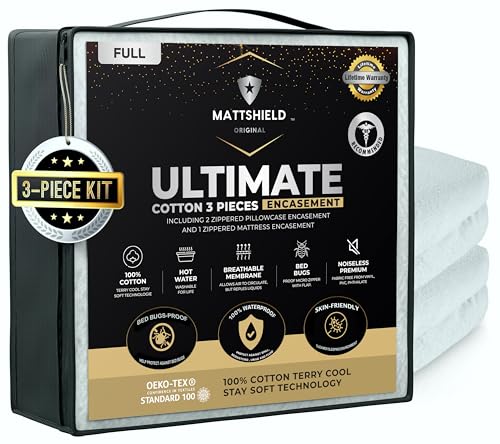 MATTSHIELD Ultimate 3-Piece Kit
|
8.3/10 | Buy |
 HOSPITOLOGY PRODUCTS Mattress Encasement
|
8.3/10 | Buy | |
 Utopia Bedding Full Size Mattress Protector
|
8.1/10 | Buy | |
 Waterproof Zippered Mattress Protector Queen Size
|
8.0/10 | Buy |
A Complete Guide to Bed Bug Prevention with Mattress Encasements
Mattress encasements prevent bed bug infestations by establishing a continuous, impenetrable textile barrier around every surface of the mattress. When installed correctly, an encasement traps any insects already hidden inside, cutting off their access to sleepers and starving them over time. Simultaneously, the smooth exterior fabric prevents external pests from burrowing into mattress seams, quilting, or core foam layers. This dual-action protection forms the foundation of modern, non-chemical bed bug management in residential bedrooms.
How Zippered Encasements Create a Continuous Physical Barrier
Standard mattress protectors typically feature a fitted design with elasticated skirts that cover only the top and sides of the bed. While fitted protectors shield against surface liquid spills, they leave the entire underside of the mattress completely exposed to crawling insects. True bed bug covers utilize a complete six-sided design that encloses the top, bottom, and all four perimeter sides inside a sealed envelope. By eliminating open access points beneath the mattress, the encasement prevents pests from establishing harborage within underside folds.
The most vulnerable component of any protective cover is the zipper track where the slider closes. Immature bed bug nymphs measure less than one millimeter across, allowing them to squeeze through standard zipper teeth with ease. Specialized encasements employ micro-zipper teeth engineered with tightly interlocking coils that prevent even microscopic nymphs from passing through. Brands like Utopia Bedding utilize wrap-around zipper systems designed to close tightly along perimeter seams without leaving gaps between adjacent teeth.
Securing the end of the zipper track requires specialized engineering to eliminate the tiny gap where the slider rests. Products developed by Bed Bug Blocker incorporate triple-seal closure systems featuring an interior barrier flap beneath the zipper track. A heavy-duty hook-and-loop velcro tab folds over the parked zipper pull, locking the slider firmly in place. This multi-layered barrier stops the zipper from creeping open under sleeper movement while blocking the primary exit point for trapped insects.
Critical Fabric Technologies and Waterproof Membrane Backings
Early pest control mattress covers relied heavily on stiff vinyl or thick plastic films that cracked easily and generated disruptive noise. Modern encasements utilize high-density knitted polyester or terry cotton fabric bonded to a flexible thermoplastic polyurethane backing. This polyurethane barrier creates a pore-free liquid and insect barrier while maintaining a soft, quiet feel beneath ordinary fitted bed sheets. Smooth knitted fabrics also eliminate rough surface textures, giving pests fewer tactile crevices to cling onto when crawling.
Waterproof membrane backings provide crucial dual protection against everyday spills and bed bug penetration. Encasements from HOSPITOLOGY PRODUCTS feature breathable membranes on all six sides that resist moisture leakage without trapping excessive body heat. Because liquid accidents, night sweat, and beverage spills can degrade mattress foam, a waterproof encasement keeps the internal batting dry and sanitary. Preventing moisture buildup inside the mattress also eliminates damp conditions that could weaken internal spring components or attract dust mites.
Fabric breathability directly influences overall sleep temperature throughout the night. High-grade polyester knits allow air to circulate through micro-pores while maintaining a physical barrier against microscopic irritants. Kits like the MATTSHIELD Ultimate defense system combine a 100% terry cotton top surface with a protective laminated interior. Terry cotton fibers absorb surface moisture naturally, promoting continuous evaporative cooling while ensuring the protective membrane beneath stays shielded from direct friction wear.
Sizing, Depth Tolerances, and Foundation Measurements
Selecting the proper encasement dimensions is essential for maintaining seam integrity and preventing fabric punctures. Standard mattress dimensions range from Twin (39 by 75 inches) and Full (54 by 75 inches) to Queen (60 by 80 inches) and King sizes. In addition to length and width, measuring mattress thickness with a rigid tape measure ensures the encasement pocket depth matches your mattress profile. An undersized cover creates excessive seam tension, whereas an oversized cover produces loose fabric folds where bugs might hide.
Different mattress styles require specific pocket depths to ensure a snug, flat fit across the sleeping deck. Utopia Bedding produces zippered encasements with 12-inch and 13-inch pocket profiles suited for low-profile memory foam or standard innerspring units. For deeper pillow-top mattresses or luxury hybrid models, encasements accommodating depths between 15 and 18 inches provide necessary clearance. Excessively tight fits place continuous strain on perimeter zippers, which can lead to broken slider teeth or torn corner stitching.
Protecting the box spring or foundation unit is just as crucial as encasing the top mattress. Box springs contain hollow internal cavities, wooden framing, and stapled bottom dust covers that offer ideal hiding spots for expanding pest colonies. Products such as the Bed Bug Blocker FRE146XXWHIT01 protector are specifically tailored for foundations and box springs up to 10 inches deep. Encasing both the mattress and the box spring ensures that pests cannot bypass your defenses by colonizing the lower foundation.
Step-by-Step Installation Procedure for Encasements
Proper installation requires careful preparation to avoid puncturing the waterproof membrane during handling. Before beginning, strip all bedding and thoroughly inspect the bare mattress for protruding staples, loose wires, or rough corner guards. Vacuuming all mattress seams, piping edges, and tufts removes loose dust, shed skin, and insect debris prior to covering the unit. If you discover active insects, vacuuming reduces population density before you seal the remaining bugs permanently inside the cover.
Installing a six-sided encasement is significantly easier and safer when performed with two people. Stand the mattress upright on its long edge or elevate the foot of the bed off the frame rails. Unzip the encasement completely and slide the closed end over the top corners of the mattress like a giant pillowcase. Slowly work the protective fabric downward along both sides, keeping the side seams aligned with the mattress edges to prevent diagonal twisting.
Once the cover reaches the bottom edge, lay the mattress flat onto the foundation and begin pulling the zipper closed. Guide the zipper slider smoothly with one hand while pinching the fabric edges together with the other hand to avoid snagging the inner membrane. When the slider reaches the end of the track, press it firmly into its protective pocket. Finally, press the velcro flap flat over the zipper pull to engage the triple-seal barrier and prevent inadvertent opening.
Addressing Bed Frames, Pillows, and Surrounding Floor Areas
Enclosing your mattress is an indispensable step, but bed bugs can harbor anywhere within immediate walking distance of sleeping hosts. Bed frames, wooden support slats, headboard brackets, and screw holes offer sheltered crevices where pests congregate during daylight hours. Treating metal or wooden frame joints and checking slat contact points ensures that insects cannot bypass the encased mattress entirely. Smoothing rough wooden slats also protects the underside of your new mattress encasement from accidental snags and friction tears.
Pillows require identical encasement protection because their seams and fillings sit directly against sleeper breathing zones. Kits like the MATTSHIELD 3-piece system supply zippered pillow protectors alongside the primary mattress encasement to form a unified defense barrier. Sealed pillow covers prevent bugs from nesting inside down or synthetic fills while also shielding your pillows against sweat and allergens. Using zippered protectors on all bedroom pillows eliminates secondary harborage areas that standard mattress encasements cannot address.
Maintaining perimeter space around the bed frame prevents pests from climbing directly onto sheets from floor textiles. Moving the bed at least six inches away from walls eliminates direct bridges that crawling insects use to bypass bed posts. Inspecting baseboards and vacuuming around nearby washable area rugs interrupts travel routes across open bedroom floors. Installing smooth bed bug interceptor cups under each bed post creates an additional physical trap that stops crawling insects before they reach the frame.
Proper Care, Safe Laundering, and Heat Sanitization Protocols
Maintaining the hygiene of a mattress encasement requires following specific washing instructions to preserve the delicate waterproof membrane. Most manufacturers recommend laundering encasements in warm water on a gentle permanent press cycle with standard household detergent. Avoid using chlorine bleach or harsh solvent additives, as corrosive chemicals can break down the thermoplastic polyurethane backing over time. Washing the cover alongside regular bed linens prevents the internal membrane from sticking to itself inside the wash tub.
Thermal exposure during tumble drying is the primary mechanism for sanitizing fabric and eradicating any remaining insects. Bed bugs and their eggs die when exposed to sustained temperatures above 120 degrees Fahrenheit for at least twenty minutes. However, excessive dryer heat can melt or delaminate thin polyurethane membranes, destroying the waterproof barrier. Tumble drying on low heat or a no-heat setting protects the backing material while safely drying the soft polyester or cotton outer surface.
Safety certifications provide reassurance regarding the chemical composition of textiles used in close contact with sleeping families. The Bed Bug Blocker All-in-One cover features OEKO-TEX Standard 100 certification, verifying that the fabric contains no harmful chemical finishes or heavy metals. Selecting certified covers ensures that your bedroom environment remains free from volatile organic compounds while resisting stains and pests. Never iron or dry clean a laminated mattress cover, as intense localized heat causes permanent thermal damage to the internal film.
Do not remove a mattress encasement frequently if you installed it to contain an active infestation. Every time you unzip an encasement, you create an opportunity for trapped insects to escape back into the bedroom environment. Instead, place an inexpensive, easily washable fitted sheet over the encasement to handle weekly laundering needs. The outer sheet absorbs daily body oils and skin flakes, allowing the underlying protective encasement to remain undisturbed for extended intervals.
Routine Inspection Schedules and Seam Integrity Maintenance
Even the highest quality mattress encasements require regular visual inspections to ensure the physical barrier remains intact. Every month when changing bed sheets, inspect the entire perimeter zipper track, especially around the terminal closure tab. Confirm that the hook-and-loop flap remains firmly pressed down and that the zipper slider has not crept backward along the track. Check the corner seams and underside edges for any signs of fabric chafing against bed frame rails or metal foundation corners.
Friction points between wooden bed slats and the encasement underside represent the most frequent cause of micro-punctures. Heavy sleeper movements cause the mattress to shift across raw lumber slats, gradually abrading the protective textile over several months. Placing a thin felt pad, moving blanket, or bunkie board between rough slats and the encasement prevents direct abrasive wear. If you notice a small hole or torn seam, seal it immediately with specialized repair tape or replace the encasement promptly.
Understanding the biological survival capacity of bed bugs highlights why encasements must stay sealed for an extended duration. Adult bed bugs can survive without feeding for up to twelve to eighteen months under moderate indoor temperatures. Unzipping the cover prematurely releases dormant insects that are still capable of reproducing and re-establishing an active infestation. Keeping your encasement permanently zipped shut guarantees that every trapped pest eventually dies from natural starvation and dehydration.
Practical Takeaways for Long-Term Bedroom Defense
Implementing a comprehensive bedroom protection plan requires combining quality encasements with consistent preventative habits. Sealing both the top mattress and the supporting box spring inside six-sided covers eliminates the primary harborage zones in any sleeping area. Pairing these covers with zippered pillow protectors and interceptor cups under frame legs creates multiple layers of physical defense. This proactive barrier strategy protects expensive mattress investments from accidental contamination, stain damage, and disruptive pest incursions.
Investing in certified, quiet encasements allows sleepers to maintain peace of mind without sacrificing nightly comfort or mattress support. Smooth knit fabrics and breathable membranes ensure that your bed remains cool, comfortable, and noiseless throughout every sleep cycle. By performing monthly zipper inspections, protecting bottom fabrics from slat abrasion, and laundering outer sheets regularly, your sleeping space stays protected for years to come. Reliable encasements transform vulnerable bedding into an enduring, impenetrable barrier that safeguards restorative sleep.
About the author
Arriana Vasquez is a product writer specializing in work-from-home equipment and practical workspace solutions. Her reporting covers office chairs, standing desks, and technology designed for modern home offices. Through product research, testing, and detailed buying guides, she explores the features that influence everyday usability, comfort, and functionality. Her work helps readers compare workspace equipment and identify products suited to different working environments.