
How Long Is a Dining Table: What to Know
How Long Is A Dining Table? Standard dining tables range from 60 to 72 inches. Learn how length affects seating capacity, room clearance, and layout efficiency in November 2026.
 By Melanie Pinola
Updated November 6, 2026

Most standard dining tables measure between 60 and 72 inches in length, a dimension that directly dictates how many guests can sit comfortably without feeling cramped. Understanding how long is a dining table is the first step in designing a functional room, as the length must align with your specific seating needs and available floor space.
For a family of four, a 60-inch table often provides the ideal balance, while larger gatherings typically require the extra surface area of a 72-inch model or an extendable option. The right length ensures that chairs can be pulled out fully and that traffic flow around the table remains unobstructed.
Choosing the correct dimension involves more than just counting chairs; it requires measuring your room’s perimeter and considering the style of base used. A pedestal base, for instance, allows for more flexible seating than a four-leg design, which may limit where you can place chairs. Additionally, the depth of the table and the height of the apron play critical roles in determining knee clearance and overall comfort.
By reviewing the specific dimensions of the available options, you can select a piece that fits both your aesthetic preferences and your practical daily routines. For those dealing with surface damage before making a purchase, our guide on removing white stains from wood tables offers useful maintenance tips to protect your investment.
| Award | Product | HOF Score About HOF ScoreThe HOF Score is our own rating from 0 to 10, based on performance, design and build, ease of use, and value. It reflects independent research and is never influenced by manufacturers, retailers, or affiliate commissions. Learn more › | |
|---|---|---|---|
| Best Overall |
 Signature Design by Ashley Counter Height Dining |
9.2/10 | Buy |
| Best Premium |
 WAMPAT 74.8-inch Long Vintage Farmhouse Dining |
9.1/10 | Buy |
| Best Budget |
 71-87 Inch White Extendable Dining Table |
8.9/10 | Buy |
| Best Value |
 Extendable Dining Table with Charging Station |
8.1/10 | Buy |
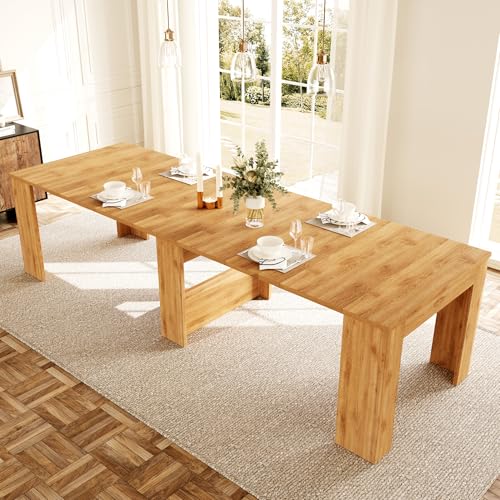 HIPIHOM 17.7"-118" Extendable Dining Table |
7.8/10 | Buy |
Understanding Standard Dining Table Lengths
The length of a dining table is the primary factor in determining its seating capacity and how it fits within a room’s footprint. Standard rectangular tables typically fall into a few distinct length categories, each suited to different household sizes and dining habits. A 60-inch table is the most common size for average families, offering enough space for four to six people depending on the chair width and table depth.
As the length increases to 72 inches, the table can comfortably accommodate six to eight diners, making it a popular choice for larger kitchens or dedicated dining rooms. For those who host frequently, extendable tables provide a flexible solution, allowing the surface to expand from a compact daily size to a larger entertaining size.
| Table Length | Typical Seating Capacity | Best For |
|---|---|---|
| 48 inches | 2-4 people | Couples, small apartments, breakfast nooks |
| 60 inches | 4-6 people | Average families, standard dining rooms |
| 72 inches | 6-8 people | Larger families, open-concept living |
| 84-96 inches | 8-10 people | Formal dining rooms, frequent entertainers |
It is crucial to distinguish between the overall length of the table and the usable surface area for dining. The legs and aprons take up space that cannot be used for plates or food, so the actual seating space is slightly less than the total length suggests. For example, a table of this length with standard corner legs may only offer about 54 inches of clear surface length for place settings.
This reduction in usable space means that the number of chairs you can fit depends heavily on the base architecture. Tables with a central pedestal or trestle base often allow for more flexible chair placement, as there are no corner legs to interfere with the seating area. This flexibility can make a pedestal table of this size feel more spacious than a four-leg table of the same dimensions.
When measuring your room, remember to account for the space needed to pull chairs out and walk around the table. The standard recommendation is to maintain at least 36 inches of clearance between the table edge and any wall or furniture. If your room is smaller than this allows, a 48-inch table might be the better choice, even if you plan to seat more than two people occasionally.
You can also consider a round table, which often fits better in tight corners and allows for easier conversation, though the capacity is determined by the diameter rather than the length. For those with limited space, a drop-leaf table can be folded down to a narrower width, providing a full dining surface only when needed. This adaptability is a key consideration for urban apartments and small homes where every inch of floor space counts.
Measuring Your Space for the Right Fit
Before selecting a table, measure the length and width of your dining area accurately, including any built-in features or architectural elements. Start by measuring the distance from the wall to the center of the room to determine the maximum table length that will leave adequate clearance.
If you are placing the table against a wall, ensure that you have enough space to open chair backs and pull them out fully. A good rule of thumb is to add 24 to 30 inches to the table length for each side where chairs will be placed. This extra space allows for comfortable movement and prevents the chairs from hitting the wall or other furniture when in use.
- Measure the room’s length and width, noting any obstacles like windows or doors
- Add 36 inches to the table length for walk-around clearance on all sides
- Check the height of your chairs to ensure they fit under the table apron
- Consider the depth of the table, typically 30 to 36 inches for dining
- Leave space for a runner or placemats without crowding the surface
If your measurements are tight, consider a table with a slimmer profile or a base that tucks closer to the wall. Sled bases or pedestal bases often have a smaller footprint than traditional four-leg tables, making them ideal for narrow spaces.
You can also use a console table as a dining surface for smaller meals, freeing up the main floor space for other activities. This approach is particularly useful in open-concept homes where the dining area is part of a larger living space. By carefully measuring and planning, you can ensure that your table fits the room without making it feel cluttered or cramped.
Seating Capacity and Chair Spacing
The number of people a table can seat is not just a function of its length; it also depends on the width of the chairs and the spacing between them. Standard dining chairs are typically 18 to 20 inches wide, and you need at least 24 inches of space per person for comfortable dining.
This means that a 60-inch table can comfortably seat four people with 15 inches of space per person, or six people with 10 inches of space, which is tight but possible for smaller chairs. For more comfortable seating, aim for 24 to 30 inches per person, which reduces the capacity but increases comfort. The depth of the table also affects seating, as deeper tables may require wider chairs to provide adequate knee space.
When seating people at the ends of a rectangular table, the space is often more limited than along the long sides. The corner legs or the apron may interfere with the chair at the end, making it difficult to pull out fully. This is why tables with pedestal bases are often preferred for end seating, as they allow for more freedom of movement.
If you plan to seat people at the ends, ensure that the table has enough depth to accommodate the chair back and the person’s knees. A table that is too shallow may feel cramped for end sitters, while a table that is too deep may make it difficult for people to reach the center of the table for shared dishes. Balancing these factors is key to creating a comfortable and functional dining experience.
For those who host large gatherings, an extendable table offers the best of both worlds. These tables can be compact for daily use and expand to seat more people when needed. The extension mechanism varies, with some tables using butterfly leaves that slide into the center, while others use drop-in leaves or separate panels.
The type of mechanism affects how much space is needed to open the table and how easily it can be stored. When choosing an extendable table, consider the maximum length it can reach and ensure that your room can accommodate it when fully extended. This flexibility is a significant advantage for those with limited space but who still want to host guests.
Base Styles and Their Impact on Length
The base of a dining table plays a crucial role in how the length is perceived and used.
- A four-leg base is the most traditional and stable, but it can limit seating at the ends of the table.
- The legs are typically placed a few inches in from the corners, which can interfere with chairs placed at the ends.
- A pedestal base has a single central support, allowing for more flexible seating and easier access to the table surface.
- This style is particularly well-suited for round tables, where it provides stability without getting in the way of diners.
- For rectangular tables, a trestle base with two supports can offer a similar benefit, allowing for more space along the long sides.
Another consideration is the apron, which is the horizontal piece of wood that connects the legs and supports the tabletop. The height of the apron determines how much knee space is available for diners. A low apron can make it feel cramped for people sitting at the table, while a high apron may interfere with chair arms.
The standard apron height is typically 10 to 12 inches from the floor, which allows for most standard chair heights to fit comfortably. If you have chairs with high arms or a unique design, you may need to check the apron height to ensure compatibility. The base style and apron height are often overlooked in favor of the tabletop dimensions, but they significantly impact the overall comfort and usability of the table.
For those with uneven floors, the base of the table can also affect stability. Tables with adjustable leveling glides can help to keep the table stable on uneven surfaces, preventing wobble and ensuring a smooth dining experience. This feature is particularly useful for older homes or those with natural wood floors that may shift over time.
When selecting a table, consider the weight and stability of the base, especially if you plan to place it on a rug or an uneven floor. A heavy, solid base provides more stability than a lighter, more delicate design, which is an important factor to consider for long-term use and safety.
Material Durability and Surface Care
The material of the tabletop affects not only its appearance but also its durability and maintenance requirements. Solid wood tables are known for their longevity and can be refinished over time, but they require regular care to prevent scratches and water damage. Engineered wood, such as plywood or MDF, is more stable and less prone to warping, but it may not be as durable as solid wood.
Veneered tables offer the look of solid wood at a lower cost, but the thin layer of wood on top can be easily damaged if not properly cared for. When choosing a table, consider the material in relation to your lifestyle and how much maintenance you are willing to perform.
Protective topcoats, such as polyurethane or lacquer, help to protect the wood surface from stains and scratches. The type of finish used can affect the table’s resistance to heat and moisture, which is important for those who frequently serve hot dishes or beverages.
A high-quality finish can extend the life of the table and keep it looking new for years to come. However, no finish is completely impervious to damage, so it is still important to use coasters and trivets to protect the surface. Regular cleaning with a soft, damp cloth and a mild detergent is usually sufficient to keep the table clean and in good condition.
For those with young children or pets, the durability of the table is a particularly important consideration. Tables with rounded edges are safer for families with small children, as they reduce the risk of injury from sharp corners. The material should also be resistant to scratches and dents, which are common in busy households.
Some tables are designed with a more robust construction, using thicker wood or reinforced joinery to withstand the rigors of daily use. When selecting a table for a family, look for features that prioritize safety and durability, such as sturdy bases and protective finishes. These features can help ensure that the table remains a functional and attractive part of your home for many years.
Specialty Tables and Unique Dimensions
Not all dining tables are standard rectangular shapes; there are many specialty tables designed for specific needs and spaces. Counter-height tables, for example, are taller than standard dining tables and are often used in kitchens or breakfast nooks. These tables typically measure 36 inches in height and are designed to be used with counter-height stools.
The length of a counter-height table can vary, but they are often narrower than standard dining tables to fit in smaller spaces. Bar-height tables are even taller, measuring 42 inches, and are typically used in bars or as statement pieces in open-concept homes. These tables offer a unique seating arrangement and can add a modern touch to your dining area.
Round tables are another popular option, especially for smaller spaces or those who prefer a more intimate dining experience. The diameter of a round table determines its seating capacity, with 48-inch tables seating four people and 60-inch tables seating six. Round tables are often easier to maneuver in tight spaces and allow for better conversation, as everyone is facing each other.
However, they can be more difficult to fit in rectangular rooms and may not provide as much surface area for serving dishes. When choosing a round table, consider the diameter in relation to your room size and seating needs to ensure a good fit. The circular shape can also make it easier to place the table in the center of a room, creating a focal point for the dining area.
Extendable tables come in various styles, from traditional butterfly leaves to modern sliding mechanisms. The length of an extendable table is defined by its minimum and maximum dimensions, which should be considered when measuring your space. Some tables can expand significantly, adding 12 to 24 inches of length, while others offer a more modest extension.
The type of extension mechanism can affect how easily the table can be opened and closed, as well as how much space is needed to do so. When selecting an extendable table, consider how often you will use the extended length and ensure that your room can accommodate it when fully open. This flexibility allows you to adapt your dining space to different occasions and guest counts, making it a versatile choice for many households.
Selecting the right table length is a balance between seating capacity, room dimensions, and personal preference. By carefully measuring your space and considering the base style and material, you can find a table that fits your needs and enhances your dining experience.
Whether you choose a standard rectangular table, a round table, or an extendable option, the key is to ensure that it provides enough space for comfortable dining and fits well within your room. Take the time to measure and plan, and you will be able to select a table that serves as a functional and beautiful centerpiece for your home for years to come.
About the author
Melanie Pinola is an experienced technology and productivity writer whose work includes researching home office equipment and ergonomic furniture. She has contributed to detailed office chair buying guides, examining the considerations involved in selecting comfortable and functional seating. Her writing focuses on practical technology, productivity, and the equipment people use in everyday working environments, helping readers make more informed purchasing decisions.