
Should I Stand at My Desk: Practical Guide for 2026
Wondering should i stand at my desk? Learn optimal sit-stand intervals, neutral joint angles, and workstation setup tips for November 2026.
 By Anthony Spadafora
Updated November 6, 2026

Working long hours in a standard task chair often leads to stiff hip flexors, sluggish circulation, and aching lumbar muscles by mid-afternoon. When musculoskeletal fatigue sets in, many remote workers naturally ask: should i stand at my desk? While alternating between seated and upright postures can reduce constant spinal loading, simply standing for eight hours straight introduces its own set of circulatory and muscular challenges. Understanding how to integrate upright work into your daily routine requires balancing posture frequency, maintaining neutral joint alignments, and selecting the right support accessories.
Transitioning away from a completely sedentary workday does not require an all-or-nothing approach to your workstation layout. Investing in ergonomic sit-stand desk workstations allows you to introduce regular dynamic movement without sacrificing task precision or typing endurance. By combining sensible postural rotations with proper eye-level equipment risers, you can alleviate upper body tension while maintaining sustainable focus throughout the working day. With a clear daily strategy, alternating your posture becomes an effortless habit that supports both long-term health and daily performance.
| Award | Product | HOF Score About HOF ScoreThe HOF Score is our own rating from 0 to 10, based on performance, design and build, ease of use, and value. It reflects independent research and is never influenced by manufacturers, retailers, or affiliate commissions. Learn more › | |
|---|---|---|---|
| Best Overall |
 Keenjorika Desktop Document Book Holder with 7 |
8.9/10 | Buy |
 DEEDRR Ergonomic Aluminum Laptop Stand for Desk |
7.8/10 | Buy | |
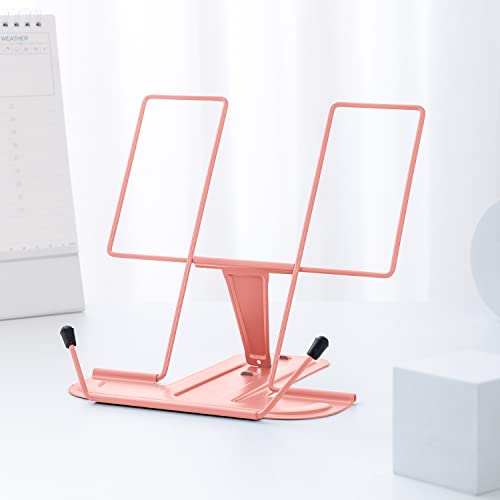 MSDADA Metal Book Stand for Desk |
8.0/10 | Buy | |
 Officemate Telephone Stand |
8.6/10 | Buy | |
| Best Value |
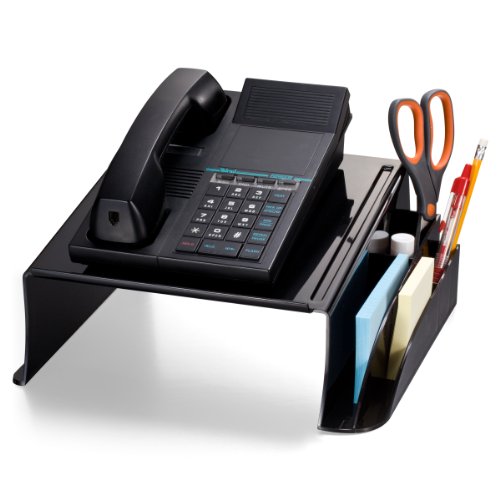 Officemate Telephone Stand |
8.9/10 | Buy |
 DEEDRR Adjustable Laptop Stand for Desk |
8.4/10 | Buy | |
| Best Premium |
 Uncaged Ergonomics Book Stand |
8.8/10 | Buy |
| Best Budget |
 asrincodesigns Personalized Wooden Phone Stand |
8.1/10 | Buy |
A Practical Ergonomic Guide to Alternating Postures at Your Workstation
Standing periodically throughout the workday offers genuine physical relief, but it is not an all-day replacement for sitting. When you remain seated for six to eight consecutive hours, your hip flexors tighten, your gluteal muscles deactivate, and passive pressure compresses your lumbar discs. Shifting to an upright stance re-engages major lower-body muscle groups, stimulates venous circulation, and encourages natural spinal decompression. However, substituting all-day sitting with all-day standing simply swaps one category of physical fatigue for another. The real ergonomic objective is dynamic posture variability, where you actively alternate between supported sitting, upright standing, and brief movement breaks.
The Biomechanical Case for Alternating Between Sitting and Standing
Prolonged static standing places sustained hydrostatic pressure on the veins in your lower legs, which can lead to fluid pooling, foot discomfort, and joint stiffness. Standing in place without movement also causes static contraction in the lower-back erector spinae muscles, resulting in dull aches and postural slumping. Alternating your posture provides calf and thigh muscles regular relief while preventing continuous spinal compression. Research in occupational ergonomics demonstrates that the physical benefits of standing emerge during the transition between postures rather than from standing alone. By treating standing as a dynamic activity, you protect both your cardiovascular comfort and your musculoskeletal health.
Sitting down also serves an essential restorative function during demanding mental tasks. When seated in an ergonomically supportive chair, your body requires minimal muscular effort to balance, freeing up cognitive energy for deep focus and precision typing. Conversely, standing increases metabolic engagement and prompts minor physical micro-adjustments that help you overcome mid-afternoon lethargy. Moving fluidly between these two working modes allows you to harvest the cognitive benefits of seated focus while avoiding the debilitating stiffness of sedentary confinement. Striking this balance ensures that physical fatigue never becomes a bottleneck to your daily productivity.
Structuring an Ergonomic Sit-Stand Daily Cadence
Adopting an alternating posture routine requires a sustainable cadence that aligns with your daily work habits and physical endurance. A widely respected framework in workplace ergonomics is the Cornell 20-8-2 formula, which organizes each half-hour block into twenty minutes of sitting, eight minutes of standing, and two minutes of walking. This distribution provides sufficient postural variation to stimulate blood circulation without exhausting your postural muscles. If a thirty-minute cycle feels too disruptive to your concentration, a forty-five-minute sitting interval followed by fifteen minutes of standing offers a similar protective balance. The critical rule is to avoid remaining in either posture for more than sixty uninterrupted minutes.
Novice sit-stand users often make the mistake of standing for hours on their very first day, which rapidly leads to foot soreness and early burnout. When introducing upright work, start conservatively by standing for just ten to fifteen minutes twice per day during low-friction tasks. As your postural endurance, core stabilizers, and foot tissues adapt over two to three weeks, you can gradually increase both the frequency and duration of your standing intervals. Paying attention to early discomfort cues is vital because standing provides zero ergonomic benefit once your lower back begins to ache. Stepping back into your chair at the first sign of muscular fatigue ensures that your standing sessions remain comfortable and sustainable.
Calculating Neutral Joint Angles and Desk Elevations
Achieving proper standing ergonomics requires dialing in precise working heights rather than merely raising your desktop to a random level. The foundational standard for upper-body alignment is the ninety-degree elbow guideline, which dictates that your forearms should rest parallel to the desktop or slope downward slightly. Your upper arms should hang naturally from relaxed shoulders without shrugging upward or reaching forward toward the keyboard. If your desk surface is set even one inch too high, your trapezius and shoulder muscles will involuntarily tense to keep your forearms elevated. Conversely, a desktop that sits too low forces you to lean forward onto your palms, creating excessive compression in your lumbar spine.
Visual alignment is equally crucial for preventing neck fatigue and tension headaches during standing sessions. Your primary computer display should be positioned directly in front of you so that the top third of the screen sits at or slightly below eye level. This angle allows you to maintain a neutral cervical spine while casting your downward gaze within a comfortable fifteen-to-twenty-degree arc. The viewing distance should generally span between twenty and twenty-eight inches away from your eyes to prevent forward head poking. When calculating your standing desk elevation, remember to account for footwear sole thickness and anti-fatigue mat compression to ensure your final height settings are fully accurate.
Solving the Standing Laptop Alignment Challenge
Using an unassisted laptop computer while standing presents one of the most severe ergonomic compromises in modern office setups. Because the screen and keyboard are physically connected, setting the device on a flat desktop forces an impossible choice between proper wrist height and proper eye alignment. If you elevate the desk so the laptop display meets your eye level, your arms will be lifted dangerously high, straining your shoulders. If you lower the desk to achieve the correct ninety-degree elbow angle, you must bend your neck sharply downward to view the display. Over time, this chronic downward neck flexion produces severe muscle spasms, tension headaches, and upper thoracic stiffness.
The only effective solution for standing laptop work is separating your input peripherals from your display screen. Placing your laptop onto an adjustable riser allows you to elevate the notebook screen until the display edge aligns with your natural eye line. Multi-position elevating risers, including articulated aluminum stands that elevate hardware from seven to fifteen inches, provide the vertical travel needed to position compact screens correctly. With the laptop elevated to eye level, you can connect an external keyboard and mouse onto the lower desktop surface to maintain neutral forearm angles. Sturdy aluminum risers with open airflow cutouts also prevent processor thermal throttling while freeing up valuable surface space beneath the platform.
Organizing Reference Materials and Secondary Peripherals
Maintaining clean visual pathways does not end with your primary computer display. Many office professionals frequently reference physical documents, invoices, legal briefs, or handwritten notes while typing at a standing workstation. Leaving printed papers lying flat on the desk surface forces you to repeatedly bow your head, break neutral spinal alignment, and twist your neck toward the tabletop. This constant repetitive head movement quickly negates the posture benefits gained from standing upright. Integrating an adjustable document holder or desktop book stand keeps reference sheets elevated at an identical viewing angle and focal distance as your main screen.
Dedicated document stands with adjustable angle stops and page-tracking clips allow you to review printed copy without straining your cervical spine. Positioned directly between your keyboard and monitor or immediately adjacent to the screen bezel, these stands enable smooth lateral eye scanning rather than awkward neck flexion. Similarly, secondary devices like smartphones and office communication consoles should be housed on dedicated tilted docks or raised organizers to keep notifications within your natural peripheral vision. Placing small accessories on tiered stands prevents awkward over-reaching and repetitive spinal twisting across the desktop. Organizing your immediate perimeter keeps your core centered and eliminates unnecessary reaching while you work on your feet.
Correcting Common Postural Flaws and Floor Fatigue
Simply being on your feet does not ensure that your body is in an ergonomically sound position. One of the most widespread standing errors is hyperextending and locking the knee joints while leaning your body weight back onto your heels. Locking your knees tilts your pelvis forward into an excessive anterior tilt, which arches your lumbar spine and pinches the facet joints of your lower back. Another common habit is the asymmetric hip tilt, where a worker shifts all their body weight onto one leg and pops the opposite hip outward. To maintain healthy alignment, always keep a soft micro-bend in your knees, engage your core gently, and distribute your weight evenly across both feet.
The surface beneath your feet also plays an enormous role in determining your standing comfort throughout the day. Standing for extended hours on unyielding surfaces like tile, laminate, or hardwood floors creates relentless impact shock that strains your plantar fascia and heel pads. Utilizing a high-density polyurethane anti-fatigue mat cushions downward pressure and prompts subtle muscular contractions that keep blood circulating out of your lower legs. Furthermore, wearing supportive athletic shoes with structured arch support stabilizes your ankles far better than standing barefoot or in flat slippers. Placing a small footrest under the desk to intermittently elevate one foot can also slacken tight hip flexors and relieve lumbar compression during longer standing blocks.
Comparing Dedicated Sit-Stand Desks and Desktop Risers
Choosing the right physical equipment to support your sit-stand routine depends on your available floor space, existing workstation furniture, and equipment load. When selecting a functional home office desk, you must decide whether to replace your entire table with a motorized frame or retrofit an existing surface using a desktop converter. Full-frame height-adjustable desks offer seamless vertical transit, expansive tabletop real estate, and the ability to mount multi-screen display arms cleanly. Desktop converters, by contrast, sit directly on top of your current furniture and use gas-spring struts or manual latches to elevate a smaller platform for your screen and keyboard. While converters offer a compact footprint, they consume substantial surface space and have limited weight capacities.
For workers ready to invest in dedicated furniture, modern electric options offer tremendous convenience and long-term durability. Exploring reliable budget motorized sit-stand desks provides access to smooth lifting columns, quiet motorized mechanisms, and digital controllers with programmable height presets. Programmable memory keypads are particularly valuable because they allow you to transition between exact ergonomic seated and standing elevations at the touch of a single button. Desks constructed with heavy-gauge steel legs also minimize lateral sway and typing bounce when raised to taller extensions. In addition, ensuring adequate cable management slack across the full vertical stroke prevents cord snagging and connector damage during motorized adjustments.
Building a Sustainable Long-Term Workstation Routine
Structuring your workday around specific task postures is an effective way to maintain a sustainable sit-stand balance without constantly checking the clock. Highly interactive or dynamic tasks, such as phone calls, video team meetings, document reviews, and quick email triages, naturally lend themselves to an upright standing stance. Conversely, complex analytical work, detailed financial spreadsheets, intensive programming, or deep writing sprints are often better suited for supported sitting, where physical stability promotes sustained mental focus. Segmenting your working day so that meetings and administrative sprints happen on your feet keeps your energy high throughout the day. This task-based approach prevents fatigue and makes postural rotation feel like an organic extension of your daily workflow.
Ultimately, asking whether you should stand at your desk reveals a healthy desire to combat the risks of an excessively sedentary modern career. The true ergonomic secret is that neither uninterrupted sitting nor uninterrupted standing represents an optimal health strategy on its own. Human physiology thrives on variety, fluid joint movement, and regular shifts in muscular loading throughout the working day. By pairing structured sit-stand intervals with proper eye-level equipment elevation and supportive footwear, you protect your body from repetitive strain while boosting your daily vitality. Listening to your body, adjusting your workstation to match your unique dimensions, and making regular movement a priority will ensure that your workspace supports both productivity and well-being.
About the author
Anthony Spadafora is an experienced technology journalist and home office furniture reviewer specializing in ergonomic office chairs, standing desks, and workspace accessories. Having worked remotely since 2018, he brings extensive hands-on experience to evaluating furniture for modern home offices. His reviews explore comfort, adjustability, build quality, cable management, and practical workspace improvements, helping readers understand the features that matter when investing in a home office setup.