What Is a End Table: Clear Answer
An end table is a small side table for lamps and drinks. Learn about sizes, materials, and placement tips in November 2026.
 By Arriana Vasquez
Updated November 6, 2026

Placing a lamp or a hot coffee cup on a small surface next to a sofa requires a specific piece of furniture. An end table, often called a side table, is a compact piece of furniture designed to sit beside a seating area. It provides a stable surface for daily essentials while maintaining a small footprint that fits into tight corners or narrow spaces. Understanding its dimensions and construction helps you select the right unit for your room layout.
These tables vary in height, width, and material, ranging from simple metal frames to multi-tier wooden shelves. The primary function is to offer convenient storage and display space without blocking traffic flow. If you are dealing with surface damage on other wood pieces, our guide on removing white stains from wood can help you maintain your existing furniture. Selecting the correct size and style ensures the table complements your sofa or bed while adding useful storage.
| Award | Product | HOF Score About HOF ScoreThe HOF Score is our own rating from 0 to 10, based on performance, design and build, ease of use, and value. It reflects independent research and is never influenced by manufacturers, retailers, or affiliate commissions. Learn more › | |
|---|---|---|---|
| Best Overall |
 SLEEPING LAMB Side Table for Living Room |
9.1/10 | Buy |
| Best Budget |
 VASAGLE Side Table, Small End Table |
8.6/10 | Buy |
| Best Value |
 HOOBRO Side Table, Narrow End Table with Shelf |
8.6/10 | Buy |
| Best Premium |
 HOOBRO End Table with Charging Station |
8.1/10 | Buy |
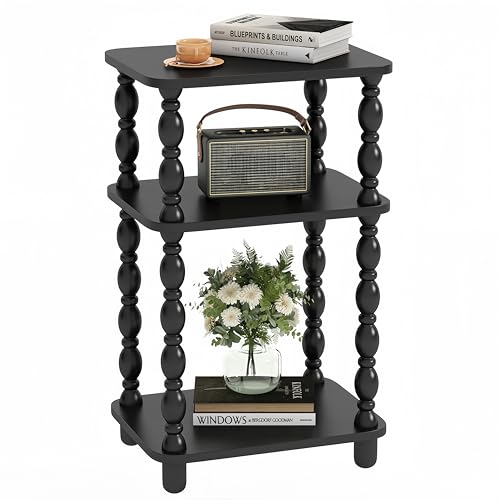 Fxacyem Side Table, Retro End Table with 3 Tier |
8.0/10 | Buy |
Understanding the End Table: Definition, Sizing, and Function
An end table is a small, sturdy table intended for use beside a sofa, armchair, or bed. Its core purpose is to hold items like lamps, books, remote controls, and beverages within arm’s reach. Unlike a coffee table, which sits in front of seating, an end table is positioned at the side, often in a corner or against a wall. This placement makes it ideal for maximizing vertical space in rooms with limited floor area.
| Feature | Typical Specification | Buyer Consideration |
|---|---|---|
| Height | 24 to 30 inches | Should align with sofa seat height |
| Width | 12 to 24 inches | Must fit available wall space |
| Depth | 10 to 18 inches | Avoid blocking foot traffic |
| Material | Wood, Metal, Glass | Match room decor and durability needs |
| Storage | Open shelves or drawers | Choose based on clutter level |
Proper sizing is critical for both aesthetics and functionality. The table height should be similar to the height of your sofa seat cushion. If the table is too tall, it looks awkward and makes it difficult to place items. If it is too short, it may look like a step stool and offer less usable surface area. Most standard end tables fall within the 24 to 30-inch height range, which works well with most contemporary and traditional furniture styles.
Width and depth determine how much floor space the table consumes. In narrow hallways or tight corners, a slim profile is essential. A table that is too wide can block the natural flow of movement in the room. Look for models with a depth of 12 inches or less if space is extremely limited. This ensures you can still walk past the table comfortably without bumping into it. The following checklist helps you measure your space correctly before purchasing.
- Measure the distance from the sofa arm to the wall.
- Check the height of your sofa seat cushion.
- Ensure at least 36 inches of clear floor space remains.
- Verify the table width fits within the measured gap.
- Consider the weight of items you plan to place on top.
Material Construction and Durability
The material of the end table affects its durability, weight, and overall look. Solid wood tables are heavy and sturdy, offering a classic appearance that can last for decades. However, they are often heavier and more expensive than other options. Engineered wood, such as particleboard or MDF, is lighter and more affordable but may not hold up as well to heavy loads or moisture over time. Metal frames provide excellent structural support and are often used in industrial-style designs.
Glass tops are popular for their sleek, modern look, but they require frequent cleaning to maintain their clarity. They can also be more prone to chipping if dropped. When choosing a material, consider the environment where the table will be used. In a bedroom, a lighter material might be sufficient. In a high-traffic living room, a sturdier construction is advisable to handle daily use. The finish also plays a role in protecting the surface from scratches and stains.
Some end tables feature mixed materials, combining a metal frame with wooden shelves. This combination offers the strength of metal with the warmth of wood. Look for tables with reinforced joints and sturdy hardware to ensure long-term stability. Adjustable feet are a valuable feature, especially if your floor is uneven. They help level the table and prevent wobbling, which can be frustrating when trying to place a drink or a book. The following points highlight key material considerations.
- Solid wood offers longevity and a premium feel.
- Metal frames provide high stability and modern aesthetics.
- Glass tops are stylish but require careful handling.
- Engineered wood is budget-friendly and lightweight.
- Adjustable feet help stabilize the table on uneven floors.
Placement and Traffic Flow
Placement is as important as the table itself. An end table should enhance the room’s layout, not obstruct it. Position the table close enough to the sofa that you can easily reach items, but far enough away that you can walk past without stepping over it. A general rule of thumb is to leave at least 18 inches of clearance between the table and the sofa arm. This allows for easy movement and prevents accidental bumps.
In smaller rooms, consider the visual weight of the table. A bulky table can make a small space feel even smaller. Opt for a slim, open-shelf design that allows light to pass through. This creates an illusion of more space. If you are placing the table in a corner, ensure it does not block access to windows or doors. The table should complement the room’s existing traffic patterns, not disrupt them. Consider how the table interacts with other furniture pieces in the room.
Lighting is another factor to consider when placing an end table. If you plan to use the table for a lamp, ensure it is positioned where the light will be useful. Avoid placing the table in a spot where the lamp will cast harsh shadows or glare into a TV screen.
The table can also serve as a display area for decorative items, such as vases or framed photos. Choose items that match the room’s color palette and style. If you are looking for more seating options to pair with your table, our guide on choosing the right chairs can provide useful insights.
Storage Features and Organization
Many end tables include storage features to help keep the room tidy. Open shelves are versatile and allow you to display books, baskets, or decorative items. They are easy to access and make it simple to add or remove items. Closed drawers offer concealed storage, which is ideal for hiding clutter like remotes, magazines, or charging cables. Some tables feature a combination of both, offering flexibility in how you organize your space.
Consider what you need to store when choosing a storage type. If you have many books, a shelf with a lower weight capacity might be sufficient. If you need to hide electronic devices, a drawer with a soft lining can protect them from scratches. Some tables include integrated charging stations, which are convenient for keeping phones and tablets charged. These features are particularly useful in bedrooms or home offices where you spend a lot of time. The storage capacity should match your daily needs without being overly large.
Vertical storage is a key advantage of end tables. By utilizing the height of the table, you can store more items without taking up additional floor space. This is especially useful in small apartments or rooms with limited space. Look for tables with multiple tiers to maximize vertical storage. Ensure that the shelves are sturdy enough to hold the weight of your items. The following tips can help you make the most of your end table’s storage capabilities.
Regularly declutter the table to maintain its functionality. Remove items that you do not use frequently to keep the surface clear. Use the storage features to organize items by category, such as keeping all reading materials on one shelf. This makes it easier to find what you need and keeps the room looking tidy. A well-organized end table enhances the overall appearance of the room and provides a functional space for daily activities.
Assembly and Maintenance
Most end tables require some assembly, especially if they are made of wood or metal. The process is usually straightforward, involving attaching legs, shelves, or frames. Check the included hardware and instructions before starting to ensure you have all the necessary parts. Use the provided tools, such as Allen wrenches, to tighten bolts securely. Proper assembly is crucial for the table’s stability and longevity. If you are unsure about a step, refer to the manual or seek assistance.
Maintenance is simple but important to keep the table looking its best. Dust the surface regularly with a soft cloth to prevent buildup. For wood tables, use a cleaner specifically designed for the finish to avoid damage. Avoid using harsh chemicals or abrasive pads, which can scratch the surface. If the table has a glass top, use a glass cleaner to remove smudges and fingerprints. Keep the table away from direct sunlight to prevent fading of the wood or metal finish.
Check the adjustable feet periodically to ensure they are tightened and level. This helps prevent wobbling and protects your floor from scratches. If you notice any loose joints, tighten them immediately to prevent further damage. Proper maintenance extends the life of the table and keeps it looking new. By following these simple steps, you can ensure your end table remains a functional and attractive addition to your home for years to come.
About the author
Arriana Vasquez is a product writer specializing in work-from-home equipment and practical workspace solutions. Her reporting covers office chairs, standing desks, and technology designed for modern home offices. Through product research, testing, and detailed buying guides, she explores the features that influence everyday usability, comfort, and functionality. Her work helps readers compare workspace equipment and identify products suited to different working environments.