
What Is the Easiest Standing Desk to Assemble?: Practical Setup Guide for 2026
What Is The Easiest Standing Desk To Assemble? Learn how pre-assembled risers and threaded inserts simplify setup in this October 2026 guide.
 By Camryn Rabideau
Updated October 4, 2026
By Camryn Rabideau
Updated October 4, 2026

Transitioning to an active daily routine should not require an advanced degree in mechanical engineering or hours of frustrating furniture construction. Many remote workers and students delay upgrading their workspace because the thought of aligning heavy steel columns, routing tangled motor wires, and interpreting vague instruction manuals feels overwhelming. Exploring what is the easiest standing desk to assemble? reveals that modern ergonomic design has evolved dramatically, offering streamlined solutions that range from nearly complete out-of-the-box desktop risers to full electric frames equipped with clever pre-installed hardware. Selecting the right setup allows you to enjoy posture-relieving transitions without the headache of lost bolts or stripped screw holes.
Whether you are retrofitting an existing workstation or constructing a brand-new setup, understanding build complexity saves both time and physical strain. Manufacturers now incorporate smart structural features like factory-installed metal threaded inserts, embedded screw housings, and modular dual-beam frames to eliminate tedious alignment steps. When researching versatile standing work desk setups, you will discover that mechanical simplicity often pairs directly with long-term frame rigidity and reliable lifting performance. By identifying designs that minimize loose fasteners and complex drive-rod assemblies, you can build an ergonomic workstation quickly and get straight to productive, comfortable work.
| Award | Product | HOF Score About HOF ScoreThe HOF Score is our own rating from 0 to 10, based on performance, design and build, ease of use, and value. It reflects independent research and is never influenced by manufacturers, retailers, or affiliate commissions. Learn more › | |
|---|---|---|---|
| Best Overall |
 SANODESK 36" Standing Desk Converter
|
9.2/10 | Buy |
| Best Value |
 Veken 55"x23.6" Standing Desk
|
9.2/10 | Buy |
| Best Budget |
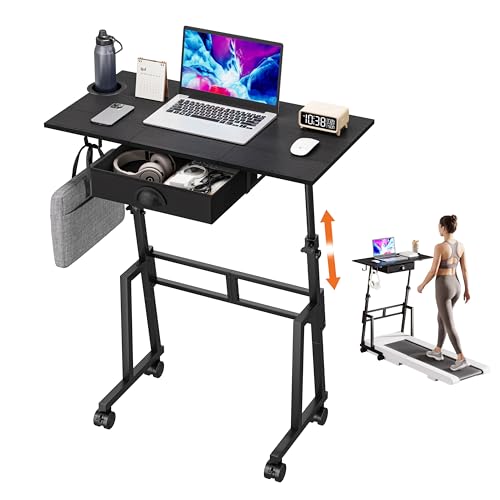 Adjustable Height Standing Desk with Drawer
|
9.1/10 | Buy |
| Best Premium |
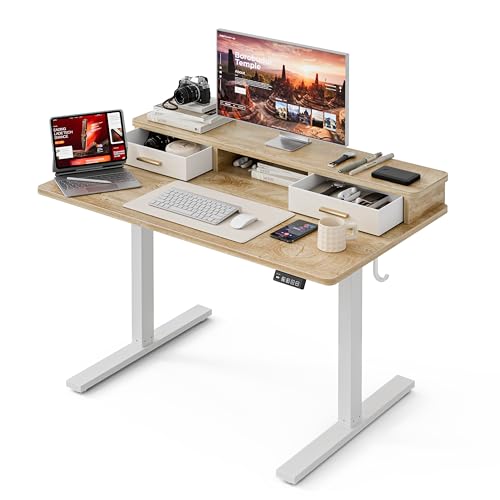 Grandder Electric Standing Desk with Two Drawers
|
8.3/10 | Buy |
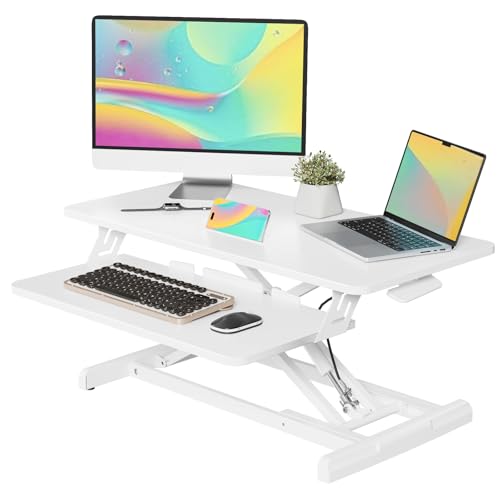 JOY worker 32" Standing Desk Converter
|
8.1/10 | Buy | |
 Veken 63"x28" Wider Large Standing Desk
|
8.0/10 | Buy |
Evaluating Sit-Stand Workstations for Painless Assembly
Answering what is the easiest standing desk to assemble? depends on whether you select a full motorized desk or a tabletop converter riser. Desktop converters offer the simplest route to a sit-stand routine because their primary lifting assemblies arrive pre-built. Full-sized motorized desks involve more steps, but smart features like pre-installed metal inserts and embedded fastener sockets make specific models surprisingly quick to build. Evaluating how frame architecture, desktop design, and motor connections impact setup will help you pick a workstation matching your mechanical skills.
Desktop Risers Deliver the Quickest Out-of-the-Box Experience
Tabletop standing desk converters provide the fastest route to an ergonomic setup because they require minimal building. Products like the JOY worker 32″ Standing Desk Converter and the SANODESK 36″ Standing Desk Converter arrive with their frames and lifting mechanisms fully assembled. Setup generally involves unboxing the unit, placing it on your desk, and attaching the keyboard tray. This two-step installation takes less than ten minutes with a simple screwdriver.
Eliminating complex electronic control boxes or motorized drive shafts makes desk converters friendly for non-technical users. Mechanical springs or gas cylinders remove the need to route motor cords, connect power supplies, or calibrate digital displays. The steel wire mechanical spring system in the SANODESK converter provides steady elevation without risk of air leakage over time. Because there are no electronic resets, you can place your computer gear and begin working immediately.
A desktop riser also eliminates the physical fatigue of handling heavy furniture components during unboxing. Full electric desks often arrive in heavy parcels requiring two people to lift and flip over. In contrast, compact risers allow a single person to unpack the parts, secure the keyboard brackets, and position the unit safely. If avoiding mechanical assembly is your top priority, a pre-assembled desktop riser is the simplest solution available.
Hardware Engineering: Threaded Inserts Versus Raw Wood Screws
For buyers needing a full-sized workstation, fastener engineering serves as the primary factor determining assembly ease. Traditional flat-pack desks rely on coarse wood screws driven directly into composite particleboard cores. Driving screws into raw wood requires heavy hand pressure and constant vigilance to prevent crooked threading. When a self-tapping screw strips out its pilot hole, the joint weakens permanently, creating frame wobble or loose leg connections.
Better electric standing desks solve this problem by incorporating pre-installed threaded metal inserts into the desktop. The Veken 55″x23.6″ Standing Desk and the Veken 63″x28″ Wider Large Standing Desk feature factory-fitted metal inserts paired with steel connectors. Instead of driving screws into raw wood, you thread precision machine bolts into steel sockets using an included hex wrench. This metal-to-metal connection ensures each fastener tightens flush at the proper torque.
Threaded metal inserts also offer long-term value if you ever need to disassemble and move your workstation. Repeatedly backing wood screws out of particleboard ruins the wood fibers, making reassembly loose and unstable. Machine bolts can be tightened and loosened many times without wearing down the steel collars. Embedded screw holes, like those on the Grandder Electric Standing Desk with Two Drawers, similarly guide hardware smoothly into position without guesswork.
Multi-Piece Tabletops and Structural Seam Alignment
Many modern sit-stand desks feature split or joined desktop panels designed to fit into standard courier shipping parcels. Both the 55-inch and 63-inch Veken desks use tops built from joined pieces rather than a single wooden slab. While joined panels make the shipping box much easier to carry upstairs, they add an alignment step during assembly. Ensuring that the seams between panels align smoothly requires careful positioning before securing the frame.
Aligning a multi-piece top is straightforward when following a methodical bolt sequence on a flat floor. Most manufacturers include steel connector plates and alignment dowels to bridge the split seam on the panel underside. To achieve a level surface, keep seam-plate bolts slightly loose until the main steel frame is positioned across both pieces. Once the crossbeams square the desktop panels, tightening the seam hardware produces a flush, stable joint.
Rushing this alignment can create slight lip overhangs where panels meet, which may snag mouse pads or papers. Taking a few extra minutes to loosely fit the joining plates ensures clean seams and solid rigidity. If you prefer a build that skips panel joining altogether, smaller single-piece tops eliminate this process completely. Reviewing dedicated compact standing desk options helps identify whether a smaller continuous top suits your room layout.
Frame Architecture: Telescoping Dual-Beam Versus Single-Spindle Systems
The structural frame underneath your desktop dictates both daily stability and assembly complexity. The easiest full-sized desks to build use a dual-beam telescoping crossbar connecting the two lifting legs with structural symmetry. In a dual-beam system, the horizontal support rails slide together, align with factory holes, and lock into place with machine bolts. This symmetrical design naturally keeps the lifting columns square, reducing the risk of crooked legs or motor binding.
Inexpensive single-motor desks often require you to manually install a central hexagonal drive rod between the motorized leg and the passive column. Aligning a hex drive rod through central couplings can be tricky if the internal gears slip out of phase. If the rod is locked while the legs sit at uneven heights, the desk will elevate on a slant. Dual-beam frames with pre-aligned motorized linkages remove this issue by providing synchronized lifting out of the box.
Dual-beam architecture also provides wide steel flanges that distribute lifting forces evenly across the entire desktop underside. Desks like the Veken models and Grandder workstations utilize solid steel crossmembers that resist twisting under load. This structural strength prevents the desktop from sagging under dual monitors and computer gear. Bolting a dual-beam frame requires only basic hex wrench turns, offering far more predictability than exposed drive shafts.
Motorized Electronic Wiring, Keypads, and Cable Routing
Connecting the electronic wiring of an electric height-adjustable desk is generally straightforward. Modern motorized workstations use modular plug-and-play wiring harnesses with keyed electrical connectors that prevent incorrect plugs. The central control box features clearly marked ports for the lifting motor, digital keypad, and AC power lead. Plugs snap securely into position with plastic clips, ensuring normal height adjustments will not shake connections loose over time.
The Grandder Electric Standing Desk with Two Drawers includes helpful safety features, such as anti-collision sensors and a quiet motor operating under 45 decibels. Its digital handset lets you store two height presets across a 28-inch to 45.6-inch adjustment range. During assembly, fastening the control box and keypad requires only four screws driven into pre-aligned pilot holes. Routing motor cords through adhesive cable clips takes just two minutes and keeps the underside neat.
Leaving adequate cable slack during wiring is critical to avoid pulling cords loose at maximum standing height. If power leads or display cables are tied tightly while the desk is lowered, they will pull taut and unplug during elevation. Experienced workstation builders always raise the frame to full height before securing cables into permanent clips. Taking this precaution ensures that your motorized desk operates safely through thousands of cycles without cord damage.
Manual Utility Desks and Mobile Workstations
Not all sit-stand desks require electric motors or wall outlets to support an active workday. The Adjustable Height Standing Desk with Drawer from Honkazita offers a manual design centered on mobility and practical storage. Instead of an electric motor, this desk uses four manual pin positions at 31.5, 35.4, 39.4, and 43.3 inches. Building this desk shifts the focus from electronic wiring to straightforward frame bolting and caster wheel installation.
Assembling a manual mobile workstation involves attaching the vertical steel uprights to the rolling base using included bolts. The Honkazita desk includes four 360-degree silent casters, with two locking wheels to keep the unit steady while typing. Threading the casters into the base bars requires only an included wrench, creating smooth rolling mobility on hard floors. The compact 33-inch by 15.75-inch tabletop bolts directly to upper brackets, supporting up to 150 pounds.
Adding utility accessories like pull-out fabric drawers, headphone hooks, and a cup holder adds minor fastener steps but boosts functionality. Fabric drawers assemble quickly by placing a rigid base board into the folding fabric sleeve before sliding it into under-desk rails. While changing height requires manually resetting locking pins, the entire assembly remains completely free from electrical issues. Comparing versatile small space standing workstations can help you decide if a mobile manual desk fits your needs.
Essential Assembly Tools and Preparation Best Practices
Clearing your workspace before unboxing components can save considerable time during furniture construction. Make sure you have a flat floor area at least twice the width of the desktop to unpack parts safely. Laying down a moving blanket or the cardboard packaging protects the desk finish from scratches and dust. Sorting fasteners into labeled groups matching the instruction manual prevents confusing similar-looking machine bolts during critical frame steps.
Most standing desks include the necessary Allen hex keys, but having a few basic tools nearby helps the process. A magnetic Phillips screwdriver is very handy for securing handsets, cable clips, and drawer brackets. While a low-torque electric screwdriver can speed up bolt insertion, you should avoid high-torque power drills on furniture fasteners. Excessive drill torque can easily strip metal threads, shear bolt heads, or crush composite wood panel cores.
Using a bubble level or smartphone level app during final assembly ensures your desk rests on a stable, flat plane. Uneven floors cause monitor bounce and place unbalanced strain on lifting columns during height travel. Most desks include adjustable leveling glides under each foot bracket to compensate for floor unevenness. Turning these glides by hand until the frame sits firm eliminates wobble before you place valuable computer hardware on top.
Troubleshooting Assembly Snags and Frame Initialization
Minor mechanical resistance or electronic confusion during a desk build is common and easily resolved. The most frequent mechanical issue occurs when bolt holes appear slightly misaligned between crossbars and desktop inserts. This problem usually happens when bolts are tightened completely before all other hardware is loosely started. Keeping frame bolts finger-tight until every fastener catches its threads gives the steel frame enough play to align smoothly.
After completing mechanical assembly and standing the desk upright, motorized models often need an electronic reset to initialize the columns. If the handset flashes an error code or will not raise, the control box simply requires calibration. Pressing and holding the down button until the desk reaches its lowest limit sets the baseline height. A short beep or display flash confirms the lifting legs are synchronized, enabling normal two-way height travel.
If an electric desk stops suddenly and reverses while lifting, check around the frame for physical obstructions. Built-in anti-collision sensors monitor motor current spikes, triggering an immediate reversal if the desktop bumps a windowsill or wall shelf. Verifying that column bolts are torqued evenly and checking cable connections resolves nearly all startup hiccups. Taking a moment to confirm these details ensures quiet, dependable elevation throughout your workweek.
Post-Assembly Ergonomic Tuning and Neutral Working Posture
Finishing physical assembly is just the start of creating an effective, comfortable sit-stand workstation. Ergonomic setup requires adjusting the desk surface so your forearms rest parallel to the floor with elbows bent around ninety degrees. Setting the desk too high leads to shoulder tension, while a low surface encourages neck hunching. Programmable keypad presets make it effortless to return to these ideal positions throughout the workday with a single touch.
Proper monitor height is equally essential for preventing neck strain and eye fatigue during long desk sessions. The top third of your screen should line up directly with your relaxed horizontal line of sight. Desktop converters naturally raise monitors on an upper shelf, often eliminating the need for separate monitor risers. For full electric desks, attaching an adjustable monitor arm to the rear frame edge frees up valuable work surface area.
Developing a sustainable sit-stand routine works best when introducing posture changes gradually rather than standing for hours immediately. Ergonomic guidelines suggest alternating posture regularly, such as standing for twenty minutes out of each hour before sitting again. Placing an anti-fatigue mat beneath your feet cushions joints and relieves lower back pressure during standing intervals. Combining straightforward desk assembly with healthy movement habits creates an active workspace that supports lasting comfort and productivity.
About the author
Camryn Rabideau is a freelance writer and product reviewer with a background in product design and journalism. Since becoming a full-time freelance writer in 2016, she has developed extensive experience researching and testing consumer products for the home. Her work focuses on practical product performance, usability, and purchasing considerations. Her combination of product design knowledge and hands-on testing experience provides a useful perspective on furniture, household products, and everyday living.