
How to Reset Desk: A Practical Guide for 2026
Learn how to reset desk procedures, troubleshoot motor calibration errors, and restore ergonomic balance to your home office workstation in November 2026.
 By Kaitlyn Wells
Updated November 6, 2026

Dealing with an electric height-adjustable workstation that refuses to move or displays an unyielding error code can instantly disrupt your workday. Learning how to reset desk controllers quickly restores synchronized motor operation and returns your surface to its proper baseline elevation. When your motorized frame freezes due to an unexpected power surge or motor desynchronization, running a standard calibration sequence clears system faults without requiring specialized mechanical tools. Many remote workers also discover that mastering this basic maintenance step makes assembling an adjustable desk frame and maintaining long-term stability far less intimidating.
Beyond resolving electronic error codes on digital handsets, resetting your workspace also involves recalibrating your daily physical posture and ergonomic movement intervals. Prolonged static standing creates just as much musculoskeletal fatigue as sitting all day, making regular posture transitions essential for sustained energy. Investing in reliable hardware, such as quality affordable electric sit-stand desks, provides the mechanical foundation you need for smooth daily adjustments. Pairing proper motor troubleshooting with structured movement habits ensures your body and your equipment remain fully aligned throughout demanding work hours.
| Award | Product | HOF Score About HOF ScoreThe HOF Score is our own rating from 0 to 10, based on performance, design and build, ease of use, and value. It reflects independent research and is never influenced by manufacturers, retailers, or affiliate commissions. Learn more › | |
|---|---|---|---|
| Best Value |
 THE DESK WORKER'S GUT RESET: How to Fix Digestion |
8.9/10 | Buy |
| Best Premium |
 The Posture Reset: A Starter Guide to Improve Your |
9.1/10 | Buy |
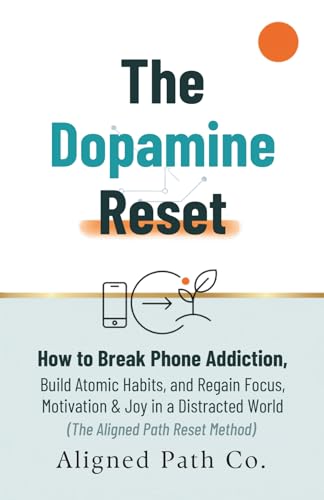 The Dopamine Reset: How to Break Phone Addiction |
8.1/10 | Buy | |
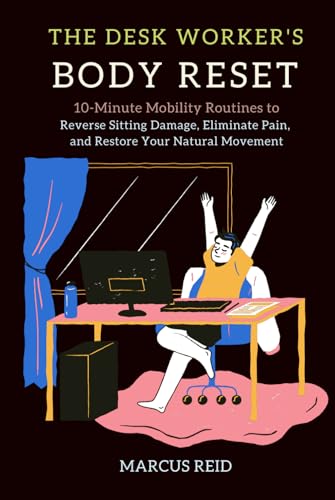 The Desk Worker's Body Reset |
8.8/10 | Buy | |
 The Metabolic Reset: How to Reignite Your Body’s |
8.0/10 | Buy | |
| Best Overall |
 The Desk Reset: A Practical Guide to Undoing |
9.2/10 | Buy |
| Best Budget |
 Desk Pain Reset , very direct |
9.1/10 | Buy |
 The Body Reset: A Practical Guide to Moving |
9.1/10 | Buy |
The Step-by-Step Guide to Resetting an Electric Standing Desk and Workspace Routine
An unresponsive height-adjustable workstation usually signals a safety lockout or an electronic synchronization discrepancy rather than permanent motor failure. Understanding how to reset desk control boxes allows you to re-establish the baseline bottom limit, realign dual-motor lifting columns, and clear stubborn handset fault codes. Recalibrating your equipment methodically protects internal drive components and restores effortless sit-stand transitions throughout your working day.
Why Motorized Standing Desks Require a System Reset
Modern electric desks rely on microprocessors inside the control box to track column position accurately. Dual-motor frames use Hall effect sensors to measure motor shaft rotations in each telescoping leg independently. If one motor lags by even a fraction of a second, the central controller triggers an automatic safety halt. This protective measure prevents your desktop from tilting dangerously and sliding equipment onto the floor.
Power disruptions represent another frequent reason why standing desk electronics lose their calibration coordinates. If you unplug your workstation while it is moving, or if a sudden power flicker occurs, the control unit loses its position memory. Without an established baseline reference point, the microprocessor refuses to move upward to protect against over-extension. Performing a reset sequence forces both lifting columns to find their mechanical lower limit, restoring synchronized communication.
Weight imbalances across the desktop surface can also cause the control board to initiate a protective shutdown. Placing a heavy computer tower or multi-monitor mount entirely on one side creates uneven friction on the telescoping glides. Over several days of continuous elevation adjustments, this differential torque can cause slight leg height discrepancies. Resetting the frame levels the playing field by recalibrating motor current loads at the lowest travel boundary.
Standard Manual Reset Sequence for Height-Adjustable Desks
Executing a manual reset on most motorized standing desks follows a simple sequence that requires only the handset. Before beginning, ensure that no filing cabinets, trash cans, or chair armrests are positioned directly beneath the frame. You will need sufficient clearance for the desktop to travel all the way down to its minimum mechanical stop. Balancing desktop payloads evenly also ensures smooth operation during this critical recalibration process.
Begin by pressing and holding the down arrow button continuously until the frame reaches its lowest height setting. Once the desk stops moving at the bottom, release the down button for a brief second. Immediately press and hold the down button again for roughly five to ten seconds without letting go. The desk will make a slight downward movement, gently rebound upward, or emit an audible beep to indicate that the lower boundary has been memorized.
Release the button once you observe the rebound movement or hear the confirmation tone from the control module. At this point, the digital display should shift from an error message to showing your standard minimum height measurement. Test the reset by pressing the up button to confirm that both lifting columns ascend smoothly in tandem. If the desk travels upward without hesitation, your manual calibration sequence is complete and memory presets work normally.
Diagnosing and Resolving Common Handset Error Codes
Digital controllers communicate internal operating faults through short alphanumeric display codes that alert users to specific system problems. One of the most frequent indicators is the rST or ASR code, which signals that the desk requires a manual baseline reset before normal operation resumes. This code commonly appears following initial frame assembly, after power outages, or whenever the control box detects an electrical surge. Following the downward hold sequence quickly clears this operational prompt.
Thermal protection codes such as E01, E02, or HOT indicate that lifting motors have exceeded their operational duty cycle. Most residential standing desk motors operate under a ten percent duty cycle rating, translating to roughly two minutes of continuous movement followed by eighteen minutes of rest. If you repeatedly adjust the desk height in rapid succession, internal thermal sensors lock out movement to prevent motor windings from overheating. Allowing the desk to rest for twenty minutes resolves this thermal lockout completely.
Safety lock codes such as LOC indicate that the keypad lockout feature has been activated to prevent accidental movement. Many families and pet owners enable this feature intentionally to prevent children from operating the desk unattended. To disengage this lockout mode, press and hold the designated safety key or lock button for five to eight seconds until the display flashes. Once unlocked, the controller responds normally to touch inputs and memory presets.
Correcting Asynchronous Legs and Mechanical Binding
When one lifting column moves while the other remains stationary, the resulting tilt creates immediate physical binding across the frame crossbeam. On single-motor desks, this issue frequently stems from a slipping hex drive rod rather than an electronic failure. Inspect the central transmission shaft beneath the desktop to verify that the set screws connecting the rod to the motor gearbox and opposite leg are tightly fastened. If the rod slips out of its coupling, the slave column cannot turn.
On dual-motor systems, uneven leg heights usually point to a loose communication cable or a disconnected motor extension lead. Power down the workstation completely before inspecting the multi-pin motor plugs running into the central control box. Even a slightly unseated pin connector can disrupt Hall effect signal transmission, causing the control board to halt the affected leg instantly. Reconnect each cable securely until the locking clips click firmly into place.
Once mechanical fasteners and cable connections are verified, perform a hard manual reset to force both legs into horizontal alignment. During the reset sequence, the operating leg drives downward until it reaches the physical stop, allowing the lagging leg to catch up at the bottom boundary. When configuring or selecting a reliable home office desk, choosing a frame equipped with synchronized dual-channel current monitoring helps minimize recurring leg height discrepancies.
Power Isolation and Hard Control Box Reboots
When a standard button sequence fails to clear an error code, performing a hard power reboot can clear lingering software loops in the microprocessor. Modern digital control boxes contain internal capacitors that store electrical charge for several minutes after the power cord is removed. Simply unplugging the power cord and plugging it back in immediately often fails to reset these electronic logic states. A full power isolation sequence is necessary to drain residual electricity completely.
Start by unplugging the main power supply cable directly from the wall outlet or surge protector strip. Next, disconnect all peripheral cables from the control box housing, including both motor cables and the handset connection lead. Leave the entire workstation completely disconnected from electrical power for a minimum of fifteen minutes. This waiting period allows internal control circuits to discharge fully, wiping out volatile memory faults and transient communication errors.
Reconnect the system by plugging the motor cables and handset cord firmly into the control box before connecting the main AC power plug. Ensure that the wall outlet delivers stable voltage, as plugging high-draw equipment into shared extension cords can cause brownouts that confuse desk controllers. Once powered back on, immediately initiate the manual down-button reset procedure to establish fresh baseline parameters.
Cable Management and Obstacle Clearance Before Recalibration
Improper cable routing remains one of the most overlooked causes of standing desk motor stalls and false error triggers. When a workstation ascends to maximum standing height, taut display cords, monitor power cables, and network wires can catch against structural crossbars or pull loose. Conversely, when descending, excess cabling can bunch up between under-desk brackets and mobile pedestals, triggering sensitive anti-collision sensors.
Before running any calibration or reset cycle, inspect the entire travel stroke of your workstation to ensure generous slack across all cord bundles. Mount an under-desk cable raceway or articulated cable spine to channel power leads cleanly toward the floor without pinch points. Ensuring that cords hang in an unrestricted vertical drop prevents sudden mechanical resistance that would otherwise trick the control box into detecting an obstruction.
Clear all objects from the perimeter of the desktop, paying special attention to windowsill overhangs and nearby armrests. Modern height-adjustable desks often feature electronic gyro-sensors that detect sudden tilts or vibrations caused by physical contact. If your desk makes contact with a fixed object during recalibration, it will halt abruptly and trigger an error code. Verifying free space across the entire height adjustment travel guarantees a clean, uninterrupted calibration stroke.
Resetting Your Physical Posture and Ergonomic Setup
Resolving hardware lockouts restores mechanical movement, but resetting your personal posture is equally vital for a healthy working environment. Many people assume that simply standing up cures all sedentary discomfort, only to develop foot fatigue, knee stiffness, or lower back soreness from locked joints. Understanding ergonomic sit-stand workstation principles allows you to calibrate both your furniture and your musculoskeletal alignment for optimal comfort.
When standing at your newly reset desk, begin by adjusting the desktop height so your forearms rest naturally at a ninety-degree angle to your upper arms. Your shoulders should remain relaxed and dropped, never hunched upward toward your ears to reach the keyboard surface. Position your computer monitor so that the top third of the display sits directly at eye level, roughly an arm length away from your face. This neutral orientation prevents forward head posture, commonly known as tech neck, and reduces chronic strain across cervical vertebrae.
Distribute your body weight evenly between both feet rather than leaning heavily onto one hip or locking your knees backward. Engaging your abdominal core slightly supports the natural lumbar curve of your lower spine while standing. If you experience mid-back fatigue or neck stiffness, step away from the keyboard for sixty seconds to perform gentle shoulder rolls and chest-opening stretches. These small physical recalibrations undo the physical tension that builds up during hours of intense screen focus.
Building Sustainable Sit-Stand Habits and Daily Movement Routines
Creating a sustainable movement routine prevents the common mistake of standing statically until physical exhaustion forces you back into your chair. Ergonomic specialists often recommend the Cornell 20-8-2 formula, which structures every half hour into twenty minutes of seated work, eight minutes of standing work, and two minutes of active moving or stretching. This dynamic pacing prevents venous blood pooling in your lower extremities while keeping joint capsules lubricated throughout the day.
Introducing an anti-fatigue mat provides essential cushioning that reduces compressive pressure on your heels, ankles, and lumbar spine while standing. When transitioning between sitting and standing, remember to account for the thickness of your mat when programming your handset memory presets. Standing on a supportive, high-density polyurethane mat encourages subtle subconscious muscle contractions in your calves, which promotes healthy blood circulation back to the heart.
Pairing your daily desk workflow with practical educational resources, such as specialized mobility and posture guides, helps you develop consistent habits that support long-term vitality. Taking intentional micro-breaks to stretch hip flexors, activate glute muscles, and practice deep diaphragmatic breathing resets both your mental focus and your metabolic rate. Integrating these small physical adjustments transforms your standing desk from a mere piece of office furniture into an active platform for daily well-being.
Mastering the manual reset sequence provides immediate peace of mind whenever your height-adjustable workstation encounters an unexpected electronic hiccup. By combining routine hardware checks, tidy cable slack, and intentional posture transitions, you protect your motorized investment while creating a healthier, more productive daily workflow. Taking just a few moments to realign both your workstation equipment and your physical habits keeps your body feeling energized and your home office running smoothly.
About the author
Kaitlyn Wells is an experienced product journalist covering home office equipment, productivity, and technology. With more than a decade of experience working from home in various capacities, she understands the importance of creating comfortable and functional workspaces. Her reporting on office chairs and workplace equipment combines product research with practical considerations, helping consumers understand how furniture features, comfort, and individual needs influence purchasing decisions.