
Do Ergonomic Chairs Really Work? The Science and Setup for 2026
Understand how do ergonomic chairs really work to relieve spinal pressure and improve posture in our November 2026 guide.
 By Arriana Vasquez
Updated October 22, 2026

Persistent lower back stiffness, neck strain, and midday fatigue frequently prompt desk workers to ask: do ergonomic chairs really work? When sitting for eight to ten hours every day, an unsupportive seat flattens the natural inward lordotic curve of the lumbar spine, forcing muscles to contract continuously simply to maintain balance. High-performance ergonomic office task chairs are engineered specifically to counter this fatigue by evenly distributing body weight, supporting the sacrum, and accommodating regular changes in posture. Readers exploring seating solutions can consult our adjustable ergonomic office chair guide to observe how calibrated lumbar tension preserves neutral spinal curvature throughout demanding shifts.
The biomechanical reality is that ergonomic chairs do work, but only when their mechanical adjustments correspond to your unique physical measurements. A chair cannot provide passive magic if the seat pan compresses the nerves behind your knees or if the armrests force your shoulders toward your ears. Pairing dynamic seating mechanisms with healthy movement routines provides the greatest long-term relief. Our standing desk benefits analysis details how alternating between supported sitting and standing maximizes overall musculoskeletal comfort during extended workdays.
| Award | Product | HOF Score About HOF ScoreThe HOF Score is our own rating from 0 to 10, based on performance, design and build, ease of use, and value. It reflects independent research and is never influenced by manufacturers, retailers, or affiliate commissions. Learn more › | |
|---|---|---|---|
| Best Overall |
 Sweetcrispy Computer Desk Chair |
8.9/10 | Buy |
| Best Budget |
 GTPOFFICE Executive Office Chair with Comfortable |
8.9/10 | Buy |
| Best Value |
 COMHOMA Big and Tall Office Chair Heavy Duty Wide |
8.9/10 | Buy |
 BestOffice Ergonomic Office Chair |
8.8/10 | Buy | |
| Best Premium |
 CLOUVOU Ergonomic Office Chair Comfy [#1 in reviews] |
8.8/10 | Buy |
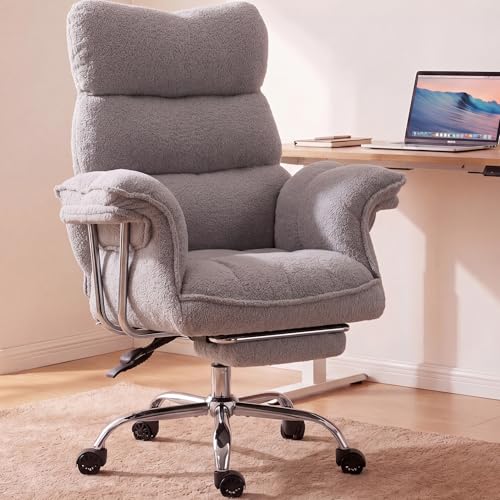 Dowinx Big and Tall Office Chair |
8.6/10 | Buy | |
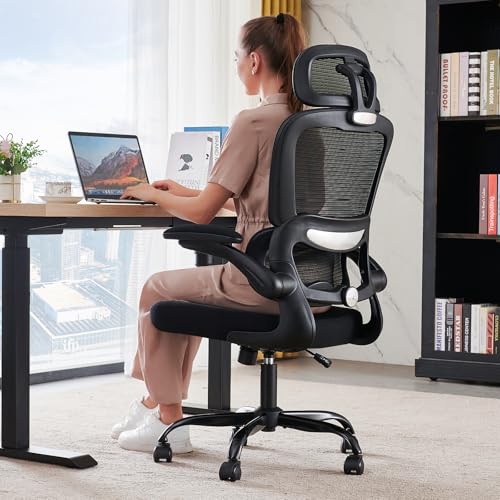 TRALT Office Chair Ergonomic Desk Chair |
8.3/10 | Buy | |
 Ergonomic Office Chair for Long Hours |
8.3/10 | Buy | |
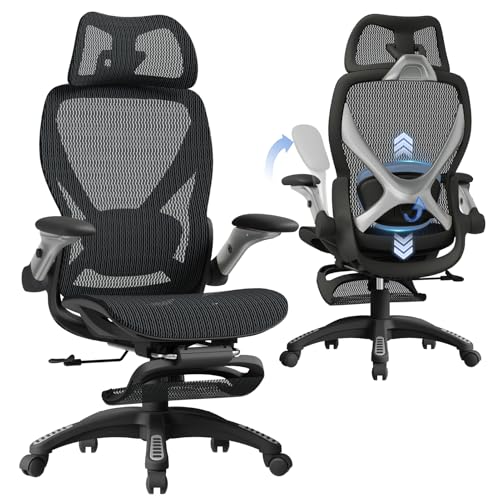 ELABEST X100 Ergonomic Mesh Office Chair |
8.3/10 | Buy | |
 Everlasting Comfort Doctor Recommended Memory Foam |
7.8/10 | Buy |
The Biomechanics and Practical Reality of Ergonomic Seating
To determine whether do ergonomic chairs really work, one must evaluate how mechanical chair components interact with human anatomy over extended desk sessions. A standard rigid chair forces the spine into an unnatural slump, which flattens the lumbar curve and elevates intradiscal pressure within the lower back. Ergonomic task chairs function by actively offloading mechanical stress from vulnerable spinal tissues, distributing seated body mass, and encouraging micro-movements throughout the day. When properly adjusted to an individual user, a well-engineered chair substantially diminishes musculoskeletal fatigue and enhances comfort.
The Spinal Mechanics of Prolonged Sitting
Sitting unsupported for prolonged periods causes the pelvis to tilt backward into what biomechanists call posterior pelvic tilt. When the pelvis rotates backward, the natural lordotic curve of the lumbar spine flattens into a rounded kyphotic posture. This postural change transfers substantial mechanical load from the skeletal framework to the passive ligaments and discs of the lower vertebrae. Over several hours, this localized loading leads to ligamentous creep, reduced spinal fluid flow, and persistent muscle stiffness across the lumbar spine.
An effective ergonomic office chair addresses this biomechanical issue by supporting the sacrum and maintaining the inward curve of the lower vertebrae. By stabilizing the pelvis, the chair helps keep the entire spinal column in neutral alignment up through the cervical spine. This spinal positioning eliminates the forward-head posture that frequently triggers upper trapezius tightness and occipital headaches during computer work. The mechanical support provided by a contoured backrest essentially assumes the burden that overtaxed core muscles struggle to maintain alone.
Core Mechanical Features That Determine Effectiveness
Independent lumbar support adjustment serves as one of the primary indicators of whether an ergonomic chair can accomplish its intended purpose. Fixed plastic curves rarely align with the varied heights of individual spinal segments across different body types. Designs such as the dynamic lumbar mechanism on the ELABEST X100 provide depth tracking alongside vertical adjustability to fill the exact gap between the backrest and the lower spine. Similarly, models like the TRALT office chair offer dedicated depth-adjustable mechanisms that deliver targeted firm contact without pushing the pelvis forward.
Recline kinematics represent another critical factor in relieving pressure on the lower spine. Traditional basic task chairs utilize center-tilt mechanisms that pivot from the middle of the seat pan, lifting the user’s feet off the floor when leaning back. High-performance ergonomic seating incorporates synchro-tilt mechanisms or multi-stage recline systems that tilt the backrest at a faster rate than the seat cushion. This opening of the torso-to-thigh angle expands hip flexors and unloads spinal discs while keeping feet planted flat on the floor.
Seat pan depth adjustment mechanisms ensure that the user’s thighs are fully supported without impeding venous blood return. When a seat is too deep, the front edge presses firmly against the popliteal fossa located behind the knees. This localized constriction can aggravate the sciatic nerve and cause numbness or circulatory restriction in the lower legs. Quality chair designs provide an appropriate seat depth, such as the 17.3-inch depth calibrated on the TRALT desk chair, ensuring a healthy two-finger clearance behind the knee joint.
Seat Cushion Materials and Pressure Distribution
The internal construction of the seat pan directly determines how effectively a chair dissipates body weight away from the ischial tuberosities. Low-cost standard office chairs frequently utilize low-resilience slab foam that collapses under continuous weight within several weeks of daily use. Once the foam bottoms out, the user sits directly against the hard plastic or wooden seat substructure, resulting in painful tailbone friction. High-resilience molded cold-cure foam, by contrast, resists permanent compression and maintains consistent shock absorption for years.
Alternative cushion architectures, such as the pocket spring core found in the Dowinx and COMHOMA executive chairs, disperse weight through independent internal coils. These pocket springs contour to body curves much like an orthopedic mattress, distributing seated downward pressure across the upper thighs. For users managing acute coccyx tenderness or piriformis aggravation, supplementary ergonomic solutions like the Everlasting Comfort seat cushion utilize memory foam with a U-shaped coccyx cutout. This open channel suspends the sensitive tailbone above the seating surface, eliminating contact pressure during prolonged work sessions.
Elastomeric suspension mesh represents another prominent approach to weight management and thermal comfort in modern task chairs. Breathable open-weave mesh, featured on models like the BestOffice and CLOUVOU chairs, allows continuous airflow to eliminate heat and moisture buildup. This porous material conforms dynamically to pelvic contours, reducing peak pressure points beneath the hips. However, mesh seat pans require a rigid perimeter frame, which means users must ensure their thigh width fits comfortably within the structural boundaries.
Armrest Articulation and Cervical Strain Reduction
The arms account for approximately ten percent of total body mass, meaning unassisted forearms place continuous strain on the shoulder girdle. When armrests are fixed at an incorrect height, desk workers either elevate their shoulders or lean forward onto the desk surface. Articulated armrests that offer height, width, and pivot adjustments enable the elbows to rest comfortably at a neutral ninety-degree angle. This neutral support unloads the trapezius and levator scapulae muscles, preventing cervical spine compression throughout the workday.
Space-saving flip-up armrests provide a different functional advantage for home offices with compact dimensions. Chairs such as the Sweetcrispy desk chair and the GTPOFFICE executive model feature padded arms that rotate up ninety degrees out of the way. This capability allows the chair to tuck flush beneath low-clearance computer desks when not in active use. Users who play instruments, transition frequently between tasks, or prefer cross-legged seating positions benefit from the flexibility that unobstructed armrests provide.
Anthropometric Fit, Cylinder Ratings, and Frame Durability
Even the most advanced ergonomic adjustments prove ineffective if the chair frame does not fit the user’s specific stature. Height ranges vary widely, from compact chairs starting at 17.1 inches up to extended configurations reaching past 22 inches. Shorter individuals often face dangling feet, which pulls the pelvis forward and causes rapid lower back exhaustion. In such cases, studying an ergonomic desk guide for shorter frames can clarify how pairing lower seat heights with appropriate foot supports restores proper spinal alignment.
The structural spine of any pneumatic office chair centers on its pneumatic gas lift cylinder. Budget chairs frequently cut costs with inferior cylinders that lose nitrogen pressure over time, resulting in that frustrating slow sinking sensation while typing. High-tier chairs utilize heavy-duty Class 3 or Grade-4 cylinders tested to strict BIFMA standards for consistent elevation holding and structural safety. For instance, the ELABEST X100 features a heavy-duty Grade-4 central cylinder and a 300-pound rated base to guarantee long-term stability under heavy workloads.
Stature and weight ratings must align closely with the intended user profile to maintain ergonomic integrity over time. Heavy-duty options like the Dowinx Big and Tall chair incorporate reinforced steel sub-frames and SGS-certified cylinders rated for loads up to 400 pounds. Accommodating wider frames requires broad seat surfaces and generous armrest spacing to prevent restricted circulation along the outer hips. Selecting a chair with verified BIFMA structural compliance ensures that the base, casters, and reclining mechanism will sustain daily operational stress without warping.
Common Reasons Desk Chairs Fail to Relieve Discomfort
A frequent reason people claim ergonomic chairs fail to work is improper physical setup rather than defective mechanical engineering. Many users sit too far forward on the seat pan, failing to bring their sacrum into firm contact with the backrest. Perching on the front edge completely bypasses the lumbar contour, leaving the spinal column unsupported despite owning an expensive ergonomic model. Proper posture requires sitting all the way back into the pocket of the chair so the backrest can bear upper body weight.
Another widespread mistake involves locking the backrest into an excessively upright ninety-degree vertical angle. While early ergonomic literature promoted perfectly vertical sitting, modern spinal biomechanics confirms that a rigid ninety-degree trunk angle increases disc pressure compared to a relaxed recline. Reclining between one hundred and one hundred and ten degrees redistributes upper torso mass onto the backrest, reducing lumbar muscular activity. Keeping the tilt tension knob adjusted so the backrest moves dynamically with you prevents static spinal stiffness.
Users also frequently expect an ergonomic chair to compensate entirely for poor workspace geometry and poor monitor positioning. If your computer screen sits too low, you will unconsciously crane your neck forward regardless of how comfortable your chair is. Similarly, typing on a desk surface that sits too high forces your shoulders to shrug upward, creating painful muscular trigger points. An ergonomic chair must function as one cohesive element within an integrated workstation rather than an isolated posture remedy.
A Systematic Guide to Calibrating Your Ergonomic Chair
Achieving tangible pain relief begins with a systematic bottom-to-top calibration of your ergonomic office chair. Start by adjusting the pneumatic seat height so your feet rest completely flat on the floor with your knees bent at ninety to one hundred degrees. Ensure your thighs remain parallel to the floor without feeling excessive pressure beneath the front lip of the seat pan. If your feet cannot touch the floor while maintaining proper desk access, introduce a firm angled footrest beneath your workstation.
Next, adjust the seat pan depth to ensure proper support for the length of your thighs. Slide the seat pan forward or backward until you can fit two to three fingers between the back of your knees and the waterfall edge of the cushion. Once seat depth is set, position the lumbar support mechanism directly into the small of your lower back, targeting the lumbar lordotic curve. Adjust the depth tension so the pad provides firm, gentle stabilization without forcefully pushing your lower back away from the backrest.
Finally, calibrate the armrests and headrest to eliminate tension through your upper body and neck. Set the armrest height so your forearms rest naturally with your shoulders relaxed, avoiding any upward shrugging or downward slouching. For chairs equipped with an adjustable headrest, like the Sweetcrispy mesh chair or CLOUVOU model, position the cervical contour to cradle the base of your skull during recline. This final adjustment supports the natural cervical curve when you lean back to read documents or take mental breaks.
Active Sitting Habits and Workstation Integration
Even the most sophisticated ergonomic chair cannot counteract the physiological hazards of remaining completely motionless for eight continuous hours. The human body is designed for dynamic movement, and static compression restricts disc rehydration and venous blood return regardless of chair quality. Unlocking the tilt mechanism allows you to rock and recline naturally while reading or listening during virtual conference calls. This continuous subtle movement engages core stabilizing muscles, promotes lymphatic flow, and prevents localized joint stiffness.
Pairing a responsive task chair with an adaptable desk creates the ultimate setup for sustained daily vitality. Reviewing our height-adjustable workstation guide illustrates how alternating between dynamic seated postures and standing intervals relieves chronic spinal compression. Aim to stand for twenty minutes out of every hour, allowing your hip flexors to open and your circulatory system to reset. Combining ergonomic seating with intentional movement breaks guarantees that your chair delivers its maximum health benefits.
Ultimately, do ergonomic chairs really work when they are matched to your body dimensions, calibrated properly, and integrated into an active working routine. Investing in supportive mechanical adjustments, resilient cushion materials, and smooth recline kinematics provides real protection against desk-related physical strain. By actively engaging chair controls and taking routine movement intervals, you transform your daily seating into a dependable foundation for sustained comfort and productivity.
About the author
Arriana Vasquez is a product writer specializing in work-from-home equipment and practical workspace solutions. Her reporting covers office chairs, standing desks, and technology designed for modern home offices. Through product research, testing, and detailed buying guides, she explores the features that influence everyday usability, comfort, and functionality. Her work helps readers compare workspace equipment and identify products suited to different working environments.